
Daiquiri vs. Swizzle: Two Ways Rum Cocktails Build Flavor

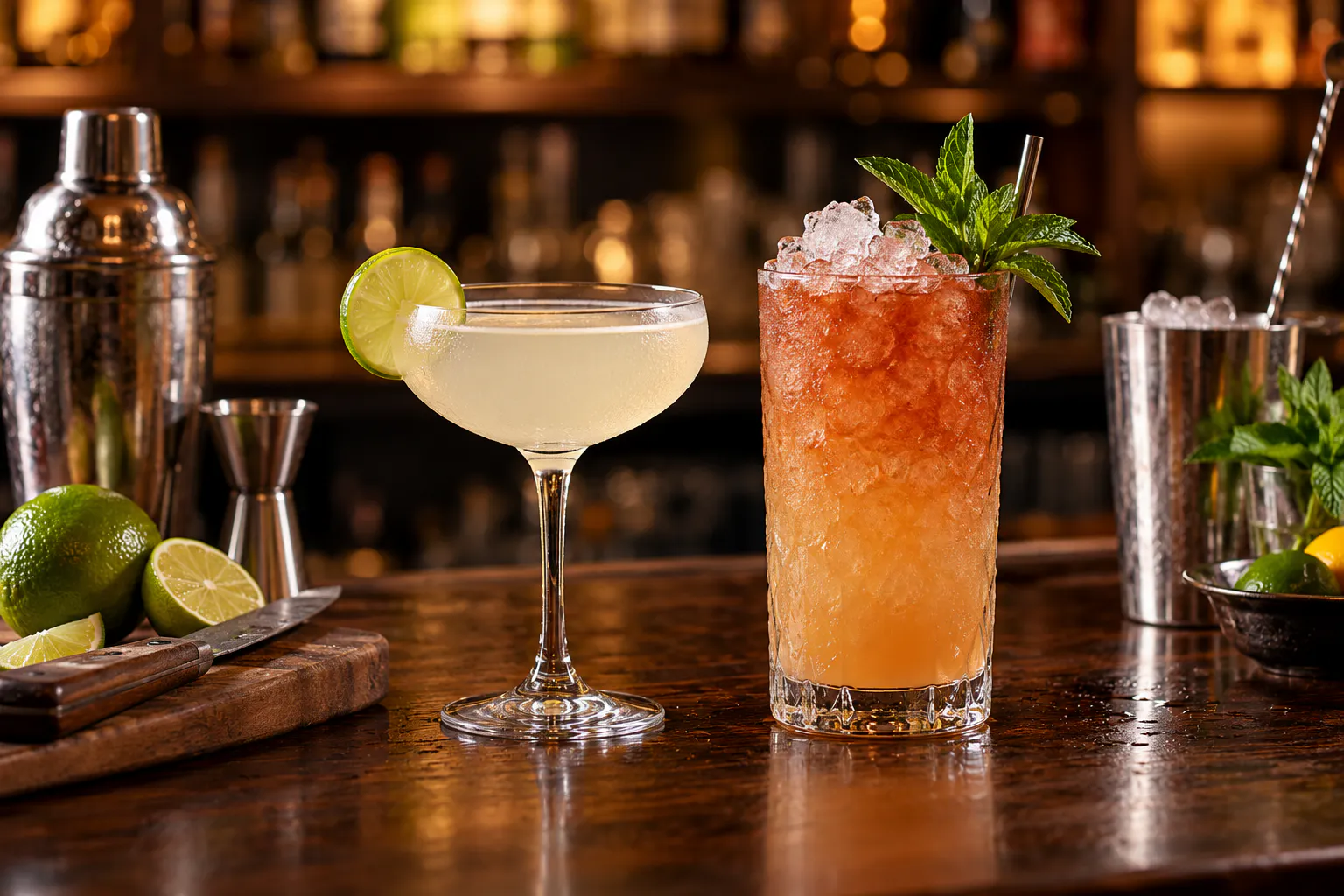
A daiquiri and a swizzle can both showcase rum, citrus, sweetness, and cold dilution, yet they create different experiences. The classic daiquiri is compact and shaken, usually served without ice in the glass. A swizzle is built for crushed ice, layered chilling, and aromatic lift. Understanding the formats makes a menu easier to read without requiring a proprietary recipe.
For article 11 in this campaign, the reader’s job is to make a practical choice for an adult visit in or near East Las Vegas. This article does not promise a game result, advertise a temporary promotion, or guarantee a particular item, machine, broadcast, or event. Use the linked first-party pages when a current detail will determine the plan.
The daiquiri is a study in a small structure
With few core elements, balance becomes visible immediately. The point is not to make the evening complicated; it is to decide the few details that prevent confusion later.
- Rum: The spirit provides the main body and much of the aroma.
- Citrus: Fresh acidity gives the drink tension and a clean edge.
- Sweetener: Its job is to connect rum and citrus, not automatically make the drink taste sugary.
- Shake: Hard chilling and aeration produce a cold, unified texture.
These four checks work together rather than as separate rules. Rum establishes the baseline, Citrus adds context, Sweetener prevents an avoidable assumption, and Shake keeps the plan practical. If one check fails, revise the plan before moving on.
While working through “The daiquiri is a study in a small structure,” use Starboard Tack’s current food and drink menus as the first-party checkpoint. That page helps verify the part of this specific decision that can change instead of leaving the group dependent on an old search result.
The swizzle is built around crushed ice
The format uses repeated mixing through ice to chill and dilute a taller drink. The point is not to make the evening complicated; it is to decide the few details that prevent confusion later.
- Vessel: A high glass leaves room for a mound of crushed ice.
- Technique: A swizzle stick or bar spoon moves rapidly between the hands.
- Frost: The cold exterior signals sustained chilling.
- Evolution: The flavor changes as the ice melts, so the first and last sips are intentionally different.
A useful way to remember the swizzle is built around crushed ice is to ask four short questions: What does vessel tell us? How does technique change the choice? Has frost been confirmed? Does evolution still fit the evening? Clear answers are more valuable than a rushed decision.
While working through “The swizzle is built around crushed ice,” use Starboard Tack’s rum tasting guide as the first-party checkpoint. That page helps verify the part of this specific decision that can change instead of leaving the group dependent on an old search result.
Texture separates the first impression
Even similar ingredients can feel different because of serving temperature, air, and ice. The point is not to make the evening complicated; it is to decide the few details that prevent confusion later.
- Daiquiri feel: Silky, brisk, and concentrated after shaking and fine straining.
- Swizzle feel: Colder, longer, and granular around the crushed-ice surface.
- Dilution curve: The daiquiri arrives near its planned dilution; the swizzle continues changing.
- Sip size: Smaller sips help both formats show aroma and balance.
The order matters: start with daiquiri feel, use swizzle feel to narrow the choice, verify dilution curve in the real setting, and keep sip size as the final guardrail. That sequence turns texture separates the first impression into a decision the whole group can understand.
While working through “Texture separates the first impression,” use Starboard Tack’s rum-ordering guide as the first-party checkpoint. That page helps verify the part of this specific decision that can change instead of leaving the group dependent on an old search result.
Aroma reaches the nose differently
Glass shape and garnish influence which notes arrive before the liquid does. The point is not to make the evening complicated; it is to decide the few details that prevent confusion later.
- Up glass: A daiquiri presents a clean surface with citrus and rum close together.
- Tall ice: A swizzle can hold herbs, bitters, spice, or citrus near the nose.
- Garnish role: Aromatic garnish should complement the drink, not promise an ingredient that is not present.
- No color shortcut: Darkness or brightness alone does not reveal strength or sweetness.
These four checks work together rather than as separate rules. Up glass establishes the baseline, Tall ice adds context, Garnish role prevents an avoidable assumption, and No color shortcut keeps the plan practical. If one check fails, revise the plan before moving on.
While working through “Aroma reaches the nose differently,” use Starboard Tack’s Starboard Tack story as the first-party checkpoint. That page helps verify the part of this specific decision that can change instead of leaving the group dependent on an old search result.
Rum choice can shift either format
White, aged, blended, grassy, or fuller-bodied rums bring different weight without changing the basic family. The point is not to make the evening complicated; it is to decide the few details that prevent confusion later.
- Bright direction: A lighter profile can emphasize citrus and a crisp finish.
- Round direction: A richer rum can add vanilla, fruit, or wood-like depth.
- Blend: More than one rum may create contrast between aroma, body, and finish.
- Menu authority: Use the current description rather than assuming a house recipe.
A useful way to remember rum choice can shift either format is to ask four short questions: What does bright direction tell us? How does round direction change the choice? Has blend been confirmed? Does menu authority still fit the evening? Clear answers are more valuable than a rushed decision.
While working through “Rum choice can shift either format,” use Starboard Tack’s contact and location details as the first-party checkpoint. That page helps verify the part of this specific decision that can change instead of leaving the group dependent on an old search result.
Choose by occasion and pace
The format can be matched to how the guest wants to spend the next part of the evening. The point is not to make the evening complicated; it is to decide the few details that prevent confusion later.
- Focused first drink: A daiquiri suits a shorter, concentrated tasting moment.
- Long cold serve: A swizzle fits a slower sip over crushed ice.
- With food: Describe the dish and ask whether brightness or richer spice will fit better.
- Alcohol-free need: Ask about current non-alcoholic options instead of treating either format as required.
The order matters: start with focused first drink, use long cold serve to narrow the choice, verify with food in the real setting, and keep alcohol-free need as the final guardrail. That sequence turns choose by occasion and pace into a decision the whole group can understand.
Order with three useful preference words
A guest can make a clear request without knowing every rum style or bar technique. The point is not to make the evening complicated; it is to decide the few details that prevent confusion later.
- Sweetness: Say dry, balanced, or sweeter.
- Intensity: Say light and refreshing or bold and rum-forward.
- Texture: Choose compact and silky or tall and crushed-ice cold.
- Responsible pace: Order one at a time, include water and food, and keep the transportation plan.
These four checks work together rather than as separate rules. Sweetness establishes the baseline, Intensity adds context, Texture prevents an avoidable assumption, and Responsible pace keeps the plan practical. If one check fails, revise the plan before moving on.
Putting the plan into practice at Starboard Tack
For “daiquiri vs swizzle two ways rum cocktails build flavor,” the local reference point is Starboard Tack at 2601 Atlantic St. in East Las Vegas. The official site describes food, rum and cocktails, bar-top video poker, deck shuffleboard, and events. Use only the parts relevant to this article, then match them to the current menu, hours, activity details, and the needs of the actual group.
Before using this rum and cocktails plan, share the destination and identify the one fact that still needs confirmation for informational / cocktail education. Leave room for a late arrival, changed appetite, occupied activity area, or quieter pace. That flexibility is what makes the advice in “Daiquiri vs. Swizzle: Two Ways Rum Cocktails Build Flavor” usable outside a spreadsheet.
As a final check, explain the plan in one sentence without relying on the phrase “daiquiri vs swizzle.” If the sentence still tells the group what to expect, when to arrive, and what must be verified, the plan is probably specific enough to use. If it turns into a claim about being the best, winning, guaranteed availability, or a temporary special, return to the official pages and revise it.
The responsible close for rum and cocktails is simple: adults who drink or play video poker should set limits first, include food and water, and arrange safe transportation. Gambling remains entertainment rather than a way to guarantee income or recover losses. When the preset money, time, attention, or transportation limit for “Daiquiri vs. Swizzle: Two Ways Rum Cocktails Build Flavor” is reached, stop.