
How to Order at a Rum-Focused Cocktail Bar: A First-Timer's Guide

A rum-focused cocktail list can look complicated because the spirit ranges from clean and bright to grassy, fruity, woody, dark, or spiced. A first-time guest does not need to memorize regions or brands. The useful skill is describing the experience you want—sweetness, citrus, texture, strength, spice, and serving style—then letting the bartender translate those preferences into a current menu option.
For “How to Order at a Rum-Focused Cocktail Bar: A First-Timer's Guide,” the focus stays on practical decisions rather than rankings, guaranteed outcomes, or temporary promotions. Use the guidance with the venue's current information, and ask directly when a detail matters to your group.
Start with the mood of the drink
The occasion gives the first useful clue and keeps the conversation more natural than naming a random bottle. The goal is to make a deliberate choice that is easy to explain to everyone involved and easy to revise when the circumstances change.
- Refreshing: Ask for bright citrus, a taller serve, or a lighter-feeling profile.
- Slow sipping: Describe a shorter, spirit-forward drink with a measured pace.
- Food partner: Mention what you plan to eat so intensity can be balanced.
- No alcohol: State that preference directly and ask about current alternatives.
Taken together, these checks suggest a practical order for start with the mood of the drink: begin with refreshing, use slow sipping to narrow the choice, confirm food partner against current conditions, and treat no alcohol as the final adjustment. That sequence keeps the decision grounded without letting any single detail overrule the rest when circumstances point another way.
For related venue context on start with the mood of the drink, review Starboard Tack's current food and drink menus. It provides a first-party reference to use alongside the general guidance above.
Describe sweetness clearly
Sweet is not a yes-or-no category, and two guests may use the word differently. The goal is to make a deliberate choice that is easy to explain to everyone involved and easy to revise when the circumstances change.
- Dry: Ask for minimal perceived sweetness and a crisp finish.
- Balanced: Request enough sweetness to round acidity and alcohol without leading.
- Dessert-like: Say when a richer, sweeter drink is the point.
- Adjustment: If the menu description is unclear, ask how the drink lands rather than requesting a remake later.
Taken together, these checks suggest a practical order for describe sweetness clearly: begin with dry, use balanced to narrow the choice, confirm dessert-like against current conditions, and treat adjustment as the final adjustment. That sequence keeps the decision grounded without letting any single detail overrule the rest when circumstances point another way.
For related venue context on describe sweetness clearly, review Starboard Tack's Starboard Tack story. It provides a first-party reference to use alongside the general guidance above.
Choose a citrus and fruit direction
Fruit can be fresh, tropical, tart, cooked, or subtle, so one more adjective helps. The goal is to make a deliberate choice that is easy to explain to everyone involved and easy to revise when the circumstances change.
- Citrus: Name lime, lemon, grapefruit, or orange only when you have a preference.
- Tropical: Ask whether the profile is fresh and bright or rich and creamy.
- Tartness: Say how sharp you want the acidity to feel.
- Garnish: Treat garnish as aroma and presentation, not proof of the drink's flavor.
Taken together, these checks suggest a practical order for choose a citrus and fruit direction: begin with citrus, use tropical to narrow the choice, confirm tartness against current conditions, and treat garnish as the final adjustment. That sequence keeps the decision grounded without letting any single detail overrule the rest when circumstances point another way.
For related venue context on choose a citrus and fruit direction, review Starboard Tack's related Starboard Tack guide. It provides a first-party reference to use alongside the general guidance above.
Talk about spice and depth
Rum can carry its own spice and wood notes before a recipe adds bitters, syrups, or botanicals. The goal is to make a deliberate choice that is easy to explain to everyone involved and easy to revise when the circumstances change.
- Baking spice: Use cinnamon, clove, nutmeg, or vanilla as familiar reference points.
- Peppery: Say when you enjoy a sharper, drier spice sensation.
- Oak: Request a rounded, toasted, or wood-influenced direction.
- Smoke: Ask whether smoke is present rather than assuming dark color means smoky.
Taken together, these checks suggest a practical order for talk about spice and depth: begin with baking spice, use peppery to narrow the choice, confirm oak against current conditions, and treat smoke as the final adjustment. That sequence keeps the decision grounded without letting any single detail overrule the rest when circumstances point another way.
For related venue context on talk about spice and depth, review Starboard Tack's rum tasting guide. It provides a first-party reference to use alongside the general guidance above.
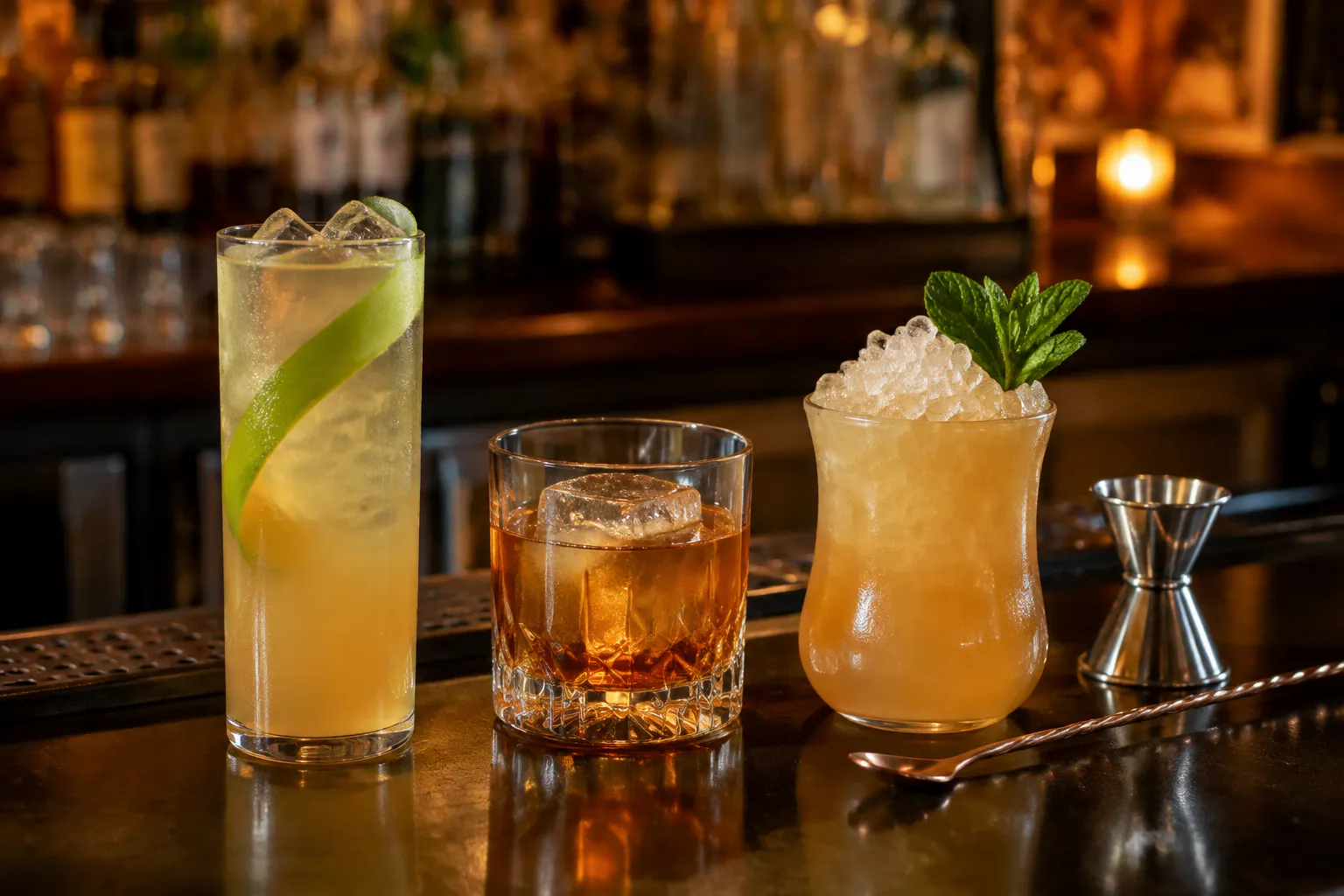
Pick texture and format
Glass shape, ice, carbonation, and dilution change how a cocktail feels even when the flavors overlap. The goal is to make a deliberate choice that is easy to explain to everyone involved and easy to revise when the circumstances change.
- Tall: A longer drink often feels cooler and more gradual.
- Rocks: A short drink over ice develops as the cube melts.
- Up: A chilled drink without ice stays concentrated and changes less in the glass.
- Crushed ice: This format can be cold, aromatic, and fast-diluting, so sip at its intended pace.
Taken together, these checks suggest a practical order for pick texture and format: begin with tall, use rocks to narrow the choice, confirm up against current conditions, and treat crushed ice as the final adjustment. That sequence keeps the decision grounded without letting any single detail overrule the rest when circumstances point another way.
For related venue context on pick texture and format, review Starboard Tack's rum styles guide. It provides a first-party reference to use alongside the general guidance above.
Use rum style as a follow-up question
After describing flavor, the bartender may explain why a white, gold, dark, aged, or spiced style suits the request. The goal is to make a deliberate choice that is easy to explain to everyone involved and easy to revise when the circumstances change.
- White: Useful when the goal is visual lightness or a bright profile, but not automatically neutral.
- Gold: Often bridges fresh ingredients and warmer notes.
- Dark: Can bring deeper color and flavor, though darkness alone does not prove age.
- Spiced: Adds a flavored layer that should match the guest's preferred spice family.
Taken together, these checks suggest a practical order for use rum style as a follow-up question: begin with white, use gold to narrow the choice, confirm dark against current conditions, and treat spiced as the final adjustment. That sequence keeps the decision grounded without letting any single detail overrule the rest when circumstances point another way.
Order responsibly and stay curious
The best first visit is one where questions feel welcome and the guest keeps control of pace and transportation. The goal is to make a deliberate choice that is easy to explain to everyone involved and easy to revise when the circumstances change.
- One at a time: Learn from the first drink before choosing a second.
- Water and food: Keep both part of the evening.
- Feedback: Use specific words about sweetness, acid, texture, or spice.
- Ride: Make the safe transportation plan before drinking.
Taken together, these checks suggest a practical order for order responsibly and stay curious: begin with one at a time, use water and food to narrow the choice, confirm feedback against current conditions, and treat ride as the final adjustment. That sequence keeps the decision grounded without letting any single detail overrule the rest when circumstances point another way.
Putting the plan into practice at Starboard Tack
For the subject covered in “How to Order at a Rum-Focused Cocktail Bar: A First-Timer's Guide,” Starboard Tack's verified location at 2601 Atlantic St. in East Las Vegas provides the local context. Its official site presents an off-Strip neighborhood bar and restaurant with food, cocktails and rum, video poker, shuffleboard, and events. Adults can shape different kinds of visits there, but current menu, event, machine, and seating details should always be checked when planning.
Choose the part of “How to Order at a Rum-Focused Cocktail Bar: A First-Timer's Guide” that matters most, share the relevant link with the group, and leave enough flexibility for real conditions. A useful plan should prevent confusion without becoming fragile when an arrival, appetite, or energy level changes. If access, timing, or a group need will determine the decision, use Starboard Tack's published contact information before heading out.
The responsible close for how to order at a rum-focused cocktail bar: a first-timer's guide is straightforward: adults who choose to drink or play video poker should set limits in advance, include food and water in the evening, and arrange safe transportation. Games of chance are entertainment, never a method for recovering losses or guaranteeing income.