
What Makes a Good 24-Hour Meal for Night-Shift Workers in Las Vegas?

For a Las Vegas night-shift worker, “dinner” might happen at 7 a.m., midnight, or after a long drive home. A useful 24-hour meal needs more than an open door: it should be satisfying without making the next part of the day harder, flexible enough for changing appetite, and easy to order when a person is tired of making decisions.
For article 6 in this campaign, the reader’s job is to make a practical choice for an adult visit in or near East Las Vegas. This article does not promise a game result, advertise a temporary promotion, or guarantee a particular item, machine, broadcast, or event. Use the linked first-party pages when a current detail will determine the plan.
Decide whether the meal starts or ends the day
The same plate can feel very different before work, during a break, or just before sleep. The point is not to make the evening complicated; it is to decide the few details that prevent confusion later.
- Before shift: Favor a substantial meal with enough time to digest before active work.
- Mid-shift: Choose food that fits the available break and can be eaten without rushing.
- After shift: Balance comfort with the need to wind down and sleep.
- Day off: Let the meal become a social stop instead of treating it as fuel alone.
A useful way to remember decide whether the meal starts or ends the day is to ask four short questions: What does before shift tell us? How does mid-shift change the choice? Has after shift been confirmed? Does day off still fit the evening? Clear answers are more valuable than a rushed decision.
While working through “Decide whether the meal starts or ends the day,” use Starboard Tack’s current food and drink menus as the first-party checkpoint. That page helps verify the part of this specific decision that can change instead of leaving the group dependent on an old search result.
Build around protein, starch, and something fresh
A clear three-part structure makes a late decision easier without turning dinner into a nutrition lecture. The point is not to make the evening complicated; it is to decide the few details that prevent confusion later.
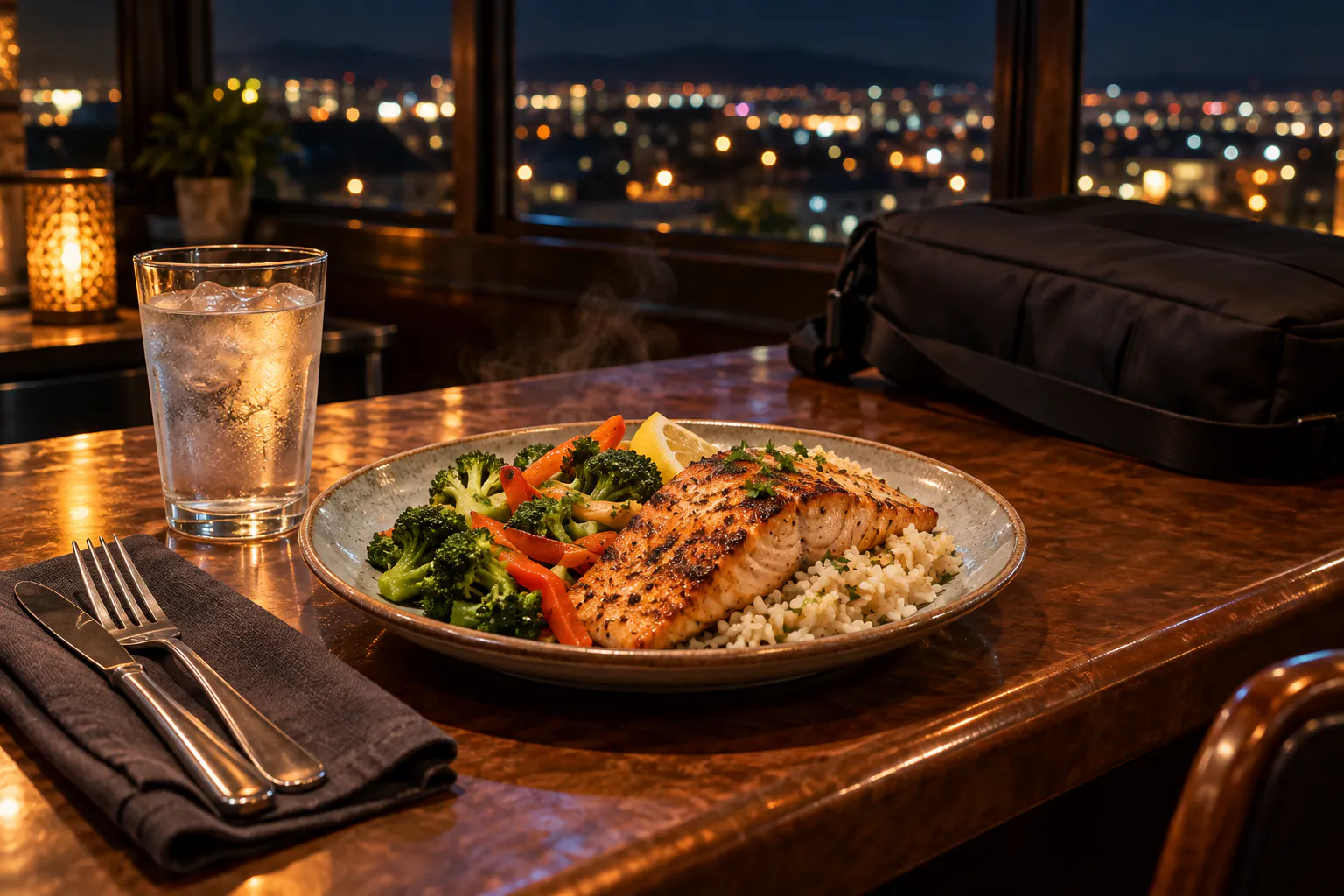
- Protein: Choose a portion that satisfies instead of depending on snacks later.
- Starch: Rice, bread, potatoes, or another base can provide steadier comfort after physical work.
- Vegetables: Add freshness, texture, or acidity to keep a rich plate from feeling one-note.
- Sauce: Use bold flavor deliberately and ask about heat or allergens when they matter.
The order matters: start with protein, use starch to narrow the choice, verify vegetables in the real setting, and keep sauce as the final guardrail. That sequence turns build around protein, starch, and something fresh into a decision the whole group can understand.
While working through “Build around protein, starch, and something fresh,” use Starboard Tack’s after-hours Las Vegas guide as the first-party checkpoint. That page helps verify the part of this specific decision that can change instead of leaving the group dependent on an old search result.
Match portion size to the next few hours
A person heading to bed has a different need from someone beginning a second job or long commute. The point is not to make the evening complicated; it is to decide the few details that prevent confusion later.
- Full plate: Use when there is time to sit and genuine hunger to answer.
- Smaller meal: Choose when fatigue is high or sleep is close.
- Shareable start: Helpful when coworkers arrive at different times.
- To-go decision: Confirm packaging and travel time before ordering food that loses texture quickly.
These four checks work together rather than as separate rules. Full plate establishes the baseline, Smaller meal adds context, Shareable start prevents an avoidable assumption, and To-go decision keeps the plan practical. If one check fails, revise the plan before moving on.
While working through “Match portion size to the next few hours,” use Starboard Tack’s off-Strip dining guide as the first-party checkpoint. That page helps verify the part of this specific decision that can change instead of leaving the group dependent on an old search result.
Use flavor to reset after a repetitive shift
Night work can make the day feel compressed, and a distinctive meal can mark the transition home. The point is not to make the evening complicated; it is to decide the few details that prevent confusion later.
- Acid: Citrus, pickles, or tangy sauces can brighten fried or rich food.
- Heat: Spice can wake the palate, but the most intense level may not suit an after-work wind-down.
- Savory depth: Slow-cooked, grilled, or umami-rich elements can make a simple bowl feel complete.
- Familiarity: Comfort food is valuable when the shift already required constant novelty and decisions.
A useful way to remember use flavor to reset after a repetitive shift is to ask four short questions: What does acid tell us? How does heat change the choice? Has savory depth been confirmed? Does familiarity still fit the evening? Clear answers are more valuable than a rushed decision.
While working through “Use flavor to reset after a repetitive shift,” use Starboard Tack’s contact and location details as the first-party checkpoint. That page helps verify the part of this specific decision that can change instead of leaving the group dependent on an old search result.
Plan caffeine and alcohol with sleep in mind
A 24-hour restaurant schedule does not change how stimulants or alcohol affect the body. The point is not to make the evening complicated; it is to decide the few details that prevent confusion later.
- Caffeine: Consider how soon sleep is expected before ordering another coffee or energy drink.
- Alcohol: Do not use a drink as a sleep strategy, and arrange safe transportation.
- Water: Rehydrate after working in dry indoor air, kitchens, hospitals, or outdoor heat.
- Pace: Eat and drink slowly enough to notice fatigue.
The order matters: start with caffeine, use alcohol to narrow the choice, verify water in the real setting, and keep pace as the final guardrail. That sequence turns plan caffeine and alcohol with sleep in mind into a decision the whole group can understand.
While working through “Plan caffeine and alcohol with sleep in mind,” use Starboard Tack’s Starboard Tack website as the first-party checkpoint. That page helps verify the part of this specific decision that can change instead of leaving the group dependent on an old search result.
Make the group order easy
Coworkers leaving together may have different appetites, budgets, and morning plans. The point is not to make the evening complicated; it is to decide the few details that prevent confusion later.
- Share the menu: Send the current link before clock-out.
- Arrival window: Name a realistic time and allow for shift handoff delays.
- Separate checks: Ask early when the group needs them.
- Respect the exit: Let tired coworkers leave without turning the meal into an obligation.
These four checks work together rather than as separate rules. Share the menu establishes the baseline, Arrival window adds context, Separate checks prevents an avoidable assumption, and Respect the exit keeps the plan practical. If one check fails, revise the plan before moving on.
Use first-party information for the final check
Late-night search results can show old hours or items that are no longer current. The point is not to make the evening complicated; it is to decide the few details that prevent confusion later.
- Hours: Confirm the venue’s official page before making the drive.
- Menu: Treat categories and examples as current only when the live menu says so.
- Dietary needs: Call when an allergy or restriction determines the choice.
- Ride plan: Save the address and decide who is driving before anyone drinks.
A useful way to remember use first-party information for the final check is to ask four short questions: What does hours tell us? How does menu change the choice? Has dietary needs been confirmed? Does ride plan still fit the evening? Clear answers are more valuable than a rushed decision.
Putting the plan into practice at Starboard Tack
For “what makes a good 24 hour meal for night shift workers in las vegas,” the local reference point is Starboard Tack at 2601 Atlantic St. in East Las Vegas. The official site describes food, rum and cocktails, bar-top video poker, deck shuffleboard, and events. Use only the parts relevant to this article, then match them to the current menu, hours, activity details, and the needs of the actual group.
Before using this 24/7 food plan, share the destination and identify the one fact that still needs confirmation for commercial investigation. Leave room for a late arrival, changed appetite, occupied activity area, or quieter pace. That flexibility is what makes the advice in “What Makes a Good 24-Hour Meal for Night-Shift Workers in Las Vegas?” usable outside a spreadsheet.
As a final check, explain the plan in one sentence without relying on the phrase “24 hour food for night shift Las Vegas.” If the sentence still tells the group what to expect, when to arrive, and what must be verified, the plan is probably specific enough to use. If it turns into a claim about being the best, winning, guaranteed availability, or a temporary special, return to the official pages and revise it.
The responsible close for 24/7 food is simple: adults who drink or play video poker should set limits first, include food and water, and arrange safe transportation. Gambling remains entertainment rather than a way to guarantee income or recover losses. When the preset money, time, attention, or transportation limit for “What Makes a Good 24-Hour Meal for Night-Shift Workers in Las Vegas?” is reached, stop.