
Raw or Chargrilled Oysters? Two Ways to Start a Starboard Tack Meal

Two oyster preparations on the same menu can lead to very different first bites. Starboard Tack lists raw oysters with tarragon mignonette and cocktail sauce, and chargrilled oysters with togarashi citrus butter. The difference is more useful than a simple “cold or hot” choice: one brings the clean, briny character of the oyster forward, while the other gives it a warm, seasoned frame. If you are deciding how to begin a meal in East Las Vegas, the best choice depends on the flavor and pace you want before the rest of your order arrives.
This guide compares the preparations described on the current pupus menu. It does not promise a particular oyster variety, harvest location, count, garnish, or price. Those details can change. Check the live menu or ask the team when a detail matters to your order.
Start with the texture you want
A raw oyster is served without the chargrill step, so its cool temperature and natural texture are the center of the experience. For a guest who likes seafood for its direct taste, this is the clearer introduction. A little mignonette or cocktail sauce can change the bite, but you can also taste it before adding a condiment. That sequence lets you understand what the oyster itself contributes rather than covering it immediately.
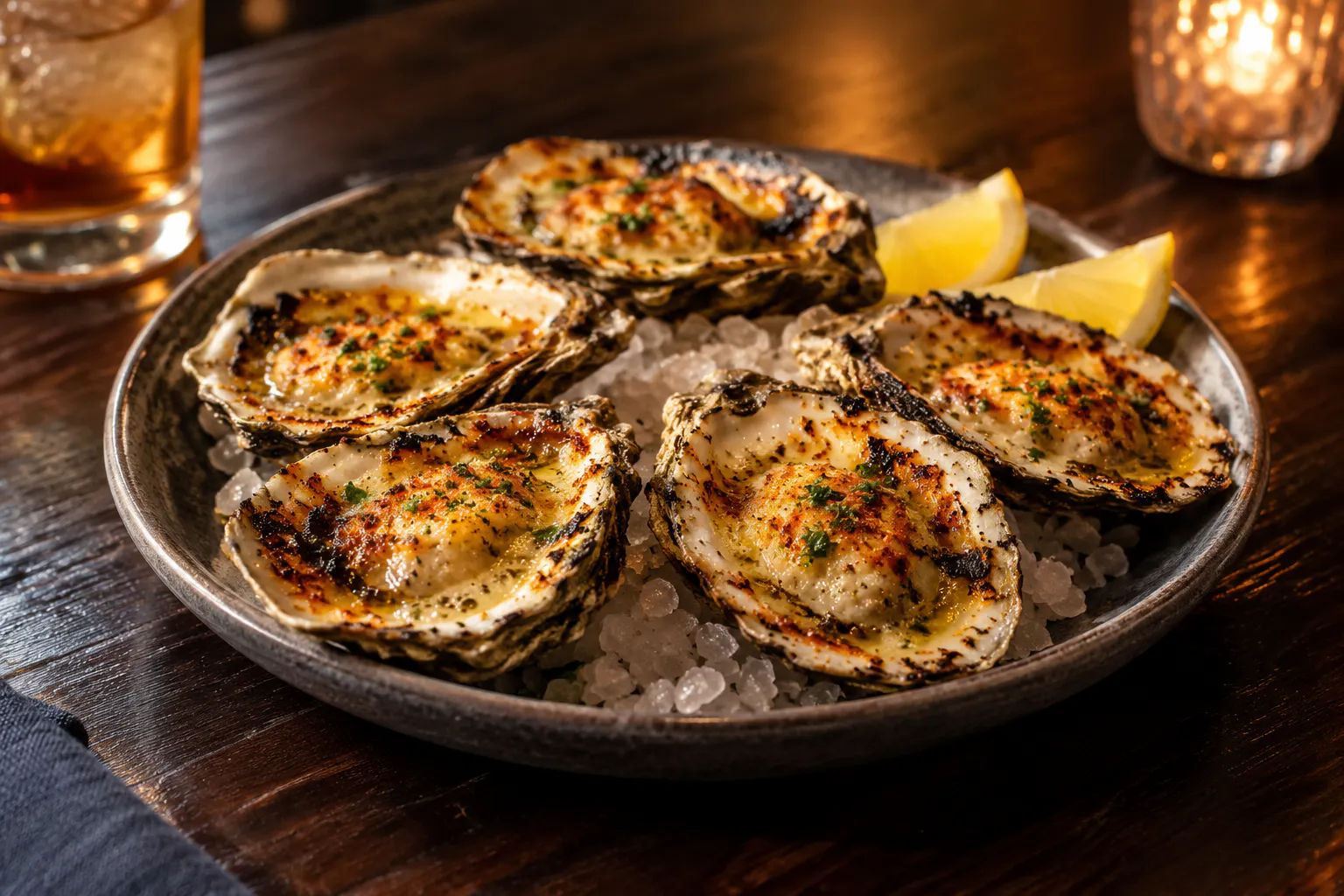
Chargrilling changes the expectation. Warmth and butter make the oyster feel closer to a cooked starter than a chilled seafood course. The togarashi citrus butter listed by Starboard Tack suggests seasoning, richness, and brightness in the same bite. It is reasonable to expect a fuller, more composed flavor path, though the exact intensity depends on the preparation that day. Choose this direction if you want the first plate to feel savory and substantial, especially before a sandwich or entree.
Neither preparation is inherently the “better” oyster. They ask you to pay attention to different things. The raw version foregrounds coolness and brine; the chargrilled version brings the seasoning and cooking method into the story.
Read the accompaniments as part of the decision
Starboard Tack’s raw-oyster listing includes tarragon mignonette and cocktail sauce. They give you two routes with a single starter. A mignonette generally brings a tart, herb-led accent that can sharpen the seafood flavor without turning the whole bite into sauce. Cocktail sauce brings its own familiar, assertive character. If you are unsure which you prefer, a sensible way to eat the plate is to try one oyster with very little added, then test the two accompaniments separately. That is a tasting suggestion, not a promise about how sauces will be portioned or served.
The chargrilled listing takes a different approach by naming togarashi citrus butter as part of the preparation. Butter adds richness; citrus can help that richness feel lively; togarashi points toward a seasoned finish. The exact heat and ingredient blend should be confirmed with staff, particularly if spice level or an ingredient restriction affects the choice. A menu name is not enough to make an allergy or dietary-safety claim.
Think of the condiments as flavor tools rather than obligations. The raw plate gives you room to compare accents. The grilled plate is already a designed combination. One is useful when you want a lighter opening, the other when you would rather commit to a warm, savory first course.
How the starter fits the rest of your meal
The best starter is often the one that creates contrast with the main course. If a rich sandwich is next, the cool raw oysters can open with a different temperature and texture. The sandwich menu lists layered, savory options such as the Kimchi Reuben and Sando Melt. A raw start can keep the first part of dinner crisp and direct before those heavier flavors arrive. That is a pairing idea, not a required order.
If your main course is simpler or you have arrived with a larger appetite, the chargrilled oysters may make more sense. Their butter and seasoning can bridge a snack and a full meal. For instance, a guest considering a fish plate from the entree menu may enjoy comparing two approaches to seafood in one visit: a small grilled start, followed by a more filling main. Pay attention to whether that sounds appealing or repetitive to you.
For a two-person table, it may be tempting to order both versions and call it a comparison. That can be fun, but count the rest of the meal before adding too many starters. Ask what is available, think about whether each person wants a full entree, and leave room for the dishes that brought you in.
When raw is likely to suit you
Choose the raw listing if you already enjoy chilled oysters or want to understand the natural seafood flavor beneath the accompaniments. It is also the more flexible route if the fun is in comparing the mignonette and cocktail sauce. The temperature contrast can be welcome when the rest of your order is warm, grilled, fried, or heavily seasoned. A small raw course can slow the table down in a good way: the first few bites become a deliberate beginning rather than a rush to the main dish.
Raw oysters do require a personal comfort check. If you avoid raw seafood, the chargrilled preparation is the obvious menu alternative, but do not assume that a chargrilled oyster meets every individual dietary or medical need. Ask the restaurant about cooking and handling if that information is important for you. Availability and sourcing should also be checked on the day of your visit, because oysters are a product for which the current supply matters.
Use the menu wording as a starting point, not as a complete specification. The page identifies the preparation and sauces; it does not establish the day's oyster variety or a fixed sensory profile. If you are looking for a very particular type of oyster, confirm it before building the entire meal around that expectation.
When chargrilled is likely to suit you
Choose chargrilled when you want your starter warm, seasoned, and more like a composed bar dish. The named butter gives the plate a clear flavor direction without requiring you to build each bite from separate sauces. This can make ordering simpler for someone who likes the idea of oysters but does not seek the cool, direct taste of a raw half shell. It is also a natural choice for a table that wants a savory opening before moving into the broader food menu.
Do not translate the word “togarashi” into an exact heat promise. Different blends and portions can produce different sensations, and the citrus butter will also shape the balance. If you are sensitive to heat or an ingredient, ask how the kitchen is preparing the dish today. The same check applies if you need to know whether the butter or another component contains an allergen.
Chargrilled oysters may look like a safe compromise for a mixed table, but preferences can still diverge. Someone who values the raw oyster's brine may find the seasoned version too rich. Someone else may prefer the grilled plate precisely because the seasoning takes the lead. Let the stated preparation guide the choice rather than assuming that one version will please everyone.
Make the choice without overcomplicating it
A quick decision can be built around three questions. First, do you want the oyster cool and direct or warm and seasoned? Second, do you want to compare separate accompaniments or choose a preparation that arrives with its flavor built in? Third, what are you ordering next? A rich entree might make a raw start appealing; a lighter or more straightforward main might leave room for the butter-led chargrilled version.
If both sound good, you can ask the staff what is currently available and decide whether a shared comparison fits your appetite. If only one sounds inviting, there is no reason to force a tasting exercise. The point of a first course is to set up an enjoyable meal, not to complete a checklist. The drinks menu and nonalcoholic choices can be considered separately; no particular beverage is necessary to make either oyster preparation work.
For an allergy, pregnancy-related food concern, immune concern, or other safety question, speak with the restaurant and an appropriate health professional rather than treating a blog description as guidance. Preparation and cross-contact details are not established by the public menu. This article helps with flavor and meal planning, not medical decisions.
Check the live menu before you go
The useful takeaway is simple: raw oysters with tarragon mignonette and cocktail sauce offer a cooler, more direct opening with two distinct accompaniments; chargrilled oysters with togarashi citrus butter offer a warm, seasoned one. Both are listed by Starboard Tack, and both can fit a meal built around its sandwiches, entrees, and other starters. The difference is a matter of the experience you want at the beginning of the meal.
Menus and supplies can change. Before making the trip specifically for oysters, check the live listing and contact the venue if you need a current availability, ingredient, or handling answer. Once those details are clear, order the version that sounds like the right first bite for your table.