
Plan a Video Poker Session: Time, Budget, Breaks, and a Clear Stop Point

A video poker session is easier to manage when the decisions about time and money are made before the first hand. A practical plan sets a fixed entertainment budget, translates it into a comfortable wager, schedules pauses, and defines a stop that does not move after a win or loss. Strategy can guide a hold; only the session plan can guide when to leave.
For article 5 in this campaign, the reader’s job is to make a practical choice for an adult visit in or near East Las Vegas. This article does not promise a game result, advertise a temporary promotion, or guarantee a particular item, machine, broadcast, or event. Use the linked first-party pages when a current detail will determine the plan.
Separate entertainment money from obligations
The session should begin with an amount that has no job after the visit. The point is not to make the evening complicated; it is to decide the few details that prevent confusion later.
- Protected funds: Rent, bills, savings, and transportation money stay outside the budget.
- One amount: Choose the full session limit before reaching the machine.
- No borrowing: Do not add cash or credit to extend play.
- Emotional test: If losing the amount would create stress tomorrow, reduce it today.
These four checks work together rather than as separate rules. Protected funds establishes the baseline, One amount adds context, No borrowing prevents an avoidable assumption, and Emotional test keeps the plan practical. If one check fails, revise the plan before moving on.
While working through “Separate entertainment money from obligations,” use Starboard Tack’s gaming and video poker page as the first-party checkpoint. That page helps verify the part of this specific decision that can change instead of leaving the group dependent on an old search result.
Convert the budget into a wager decision
The number on the bill or ticket is less informative than the cost of each completed hand. The point is not to make the evening complicated; it is to decide the few details that prevent confusion later.
- Denomination: Confirm the credit value shown on screen.
- Credits: Multiply denomination by credits wagered.
- Hands per minute: Recognize that pace controls how quickly the budget is exposed.
- Comfort: Choose a level that allows decisions without pressure to win back a single hand.
A useful way to remember convert the budget into a wager decision is to ask four short questions: What does denomination tell us? How does credits change the choice? Has hands per minute been confirmed? Does comfort still fit the evening? Clear answers are more valuable than a rushed decision.
While working through “Convert the budget into a wager decision,” use Starboard Tack’s responsible gambling guide as the first-party checkpoint. That page helps verify the part of this specific decision that can change instead of leaving the group dependent on an old search result.
Choose a time boundary
A clock limit protects attention and prevents the session from expanding to match the result. The point is not to make the evening complicated; it is to decide the few details that prevent confusion later.
- Start: Record the actual beginning rather than estimating later.
- End: Select a departure time tied to transportation or the rest of the evening.
- Reminder: Use a silent phone alarm away from machine controls when permitted.
- No extension: A near miss, bonus, or recent win does not create extra time.
The order matters: start with start, use end to narrow the choice, verify reminder in the real setting, and keep no extension as the final guardrail. That sequence turns choose a time boundary into a decision the whole group can understand.
While working through “Choose a time boundary,” use Starboard Tack’s Jacks or Better guide as the first-party checkpoint. That page helps verify the part of this specific decision that can change instead of leaving the group dependent on an old search result.
Schedule real breaks
A break means standing up, changing focus, and checking the plan—not simply slowing the button presses. The point is not to make the evening complicated; it is to decide the few details that prevent confusion later.
- Interval: Choose a repeatable checkpoint, such as after a short block of time.
- Water and food: Use the pause to hydrate and notice hunger.
- Budget check: Compare remaining funds with the original limit without interpreting a trend.
- Attention check: Stop when reading the cards or pay table feels harder.
These four checks work together rather than as separate rules. Interval establishes the baseline, Water and food adds context, Budget check prevents an avoidable assumption, and Attention check keeps the plan practical. If one check fails, revise the plan before moving on.
While working through “Schedule real breaks,” use Starboard Tack’s Deuces Wild guide as the first-party checkpoint. That page helps verify the part of this specific decision that can change instead of leaving the group dependent on an old search result.
Write a stop point that cannot drift
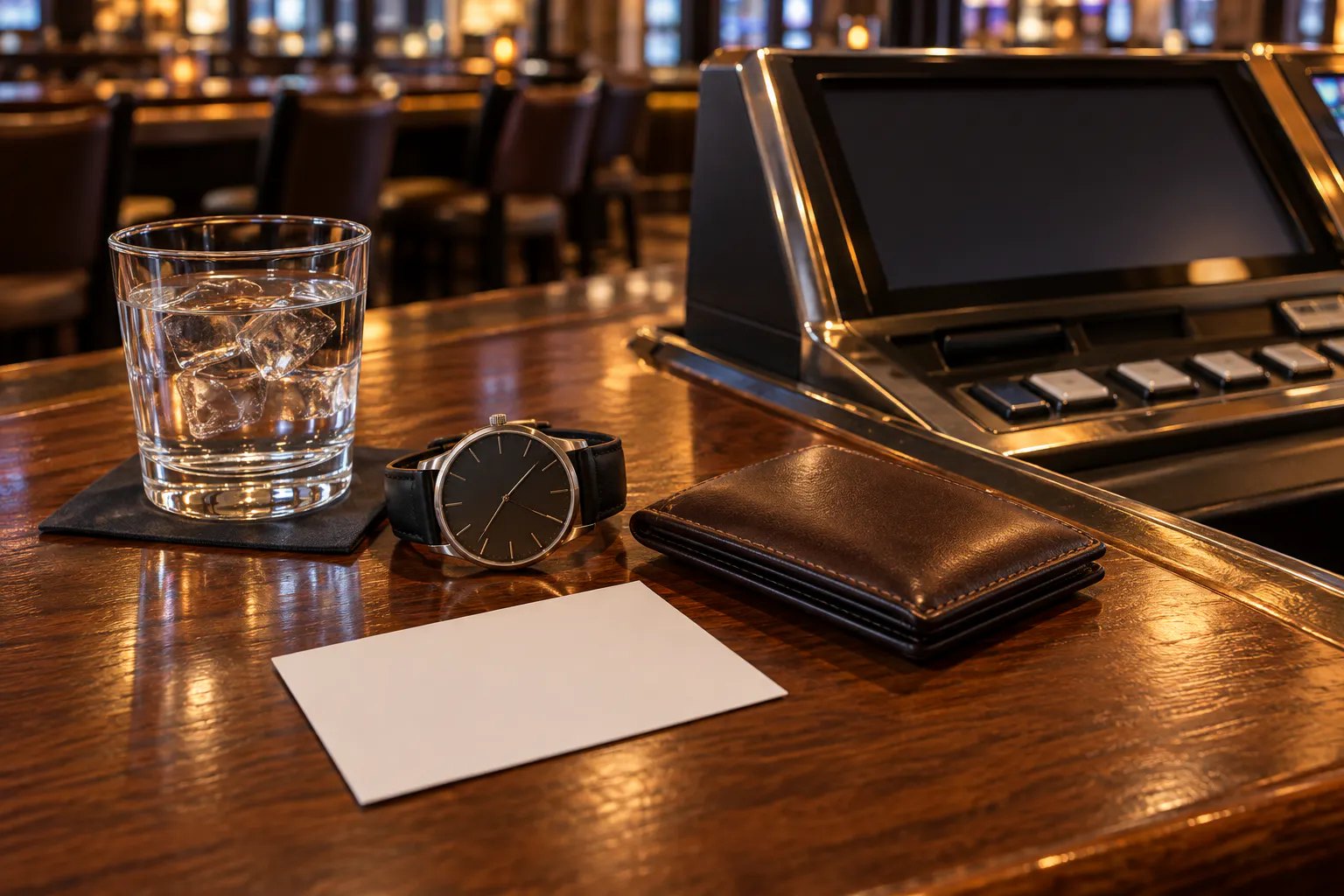
Vague intentions such as “when I feel done” are easy to renegotiate in the moment. The point is not to make the evening complicated; it is to decide the few details that prevent confusion later.
- Money stop: End when the preset entertainment amount is gone.
- Time stop: End when the alarm arrives even if funds remain.
- Condition stop: Leave when tired, upset, impaired, or unable to follow the game.
- Win stop: A positive result can be a stopping point, not a reason to increase the wager.
A useful way to remember write a stop point that cannot drift is to ask four short questions: What does money stop tell us? How does time stop change the choice? Has condition stop been confirmed? Does win stop still fit the evening? Clear answers are more valuable than a rushed decision.
While working through “Write a stop point that cannot drift,” use Starboard Tack’s current food and drink menus as the first-party checkpoint. That page helps verify the part of this specific decision that can change instead of leaving the group dependent on an old search result.
Avoid the chase cycle
Trying to recover a prior outcome changes the purpose from entertainment to emotional repair. The point is not to make the evening complicated; it is to decide the few details that prevent confusion later.
- Name the thought: Notice “one more hand will fix this” as a warning.
- Do not switch impulsively: A new variant or higher wager does not owe a better result.
- Cash out: Complete the physical step before debating the decision again.
- Change activity: Move to food, conversation, or the ride home.
The order matters: start with name the thought, use do not switch impulsively to narrow the choice, verify cash out in the real setting, and keep change activity as the final guardrail. That sequence turns avoid the chase cycle into a decision the whole group can understand.
Close the session cleanly
The last few minutes should reinforce the plan rather than trigger a second session. The point is not to make the evening complicated; it is to decide the few details that prevent confusion later.
- Collect belongings: Check ticket, wallet, phone, keys, and any personal reference card.
- Do not score the night: A short-term result does not prove skill or predict the next visit.
- Review behavior: Ask whether the limits and breaks were followed.
- Future adjustment: Change the next plan only when calm and away from the machine.
These four checks work together rather than as separate rules. Collect belongings establishes the baseline, Do not score the night adds context, Review behavior prevents an avoidable assumption, and Future adjustment keeps the plan practical. If one check fails, revise the plan before moving on.
Putting the plan into practice at Starboard Tack
For “plan a video poker session time budget breaks and a clear stop point,” the local reference point is Starboard Tack at 2601 Atlantic St. in East Las Vegas. The official site describes food, rum and cocktails, bar-top video poker, deck shuffleboard, and events. Use only the parts relevant to this article, then match them to the current menu, hours, activity details, and the needs of the actual group.
Before using this video poker plan, share the destination and identify the one fact that still needs confirmation for informational / responsible play. Leave room for a late arrival, changed appetite, occupied activity area, or quieter pace. That flexibility is what makes the advice in “Plan a Video Poker Session: Time, Budget, Breaks, and a Clear Stop Point” usable outside a spreadsheet.
As a final check, explain the plan in one sentence without relying on the phrase “video poker session planning.” If the sentence still tells the group what to expect, when to arrive, and what must be verified, the plan is probably specific enough to use. If it turns into a claim about being the best, winning, guaranteed availability, or a temporary special, return to the official pages and revise it.
The responsible close for video poker is simple: adults who drink or play video poker should set limits first, include food and water, and arrange safe transportation. Gambling remains entertainment rather than a way to guarantee income or recover losses. When the preset money, time, attention, or transportation limit for “Plan a Video Poker Session: Time, Budget, Breaks, and a Clear Stop Point” is reached, stop.