
Orgeat, Falernum, and Bitters: Three Cocktail Ingredients Seen on the Menu

A cocktail list becomes easier to read when unfamiliar ingredient names stop looking like code. Starboard Tack’s Originals menu includes orgeat, falernum, and several named bitters in different drinks. They do not all do the same job. Orgeat can bring sweet almond-like richness, falernum can add a spiced citrus direction, and bitters can add a concentrated accent. Those are broad ingredient roles, not tasting guarantees for a finished Starboard Tack cocktail. The recipe, proportions, and other components still decide what reaches the glass.
The current Originals menu is the source for which drinks list these ingredients. For general ingredient context, Liber & Co. describes its own orgeat, AVUÁ describes its falernum, and Angostura describes its bitters. These producer pages do not establish Starboard Tack’s exact orgeat brand or the proportions in any drink.
Read an ingredient as a clue, not a full tasting note
A menu line names components but rarely gives measures. A little syrup can add texture or a background note; more can become a dominant flavor. A few dashes of bitters can tie other elements together; a drink with multiple bitter components may feel different again. Citrus, spirits, ice, dilution, and technique matter at the same time. That is why an ingredient definition should help you ask a better question rather than let you write the drink’s review before ordering it.
Starboard Tack’s menu makes this visible. Across the Pacific includes orgeat with two rums, lime, Averna, and nutmeg. Royal Bermuda Yacht Club lists Avua Falernum and Angostura Orange Bitters with rum, lime, and orange curaçao. These are different combinations despite both containing a sweet or spiced modifier. Start by noticing the full group of ingredients, then ask the bar which note stands out in the current serve.
If an ingredient name relates to an allergy or restriction, treat it as a safety question, not just a flavor question. Almonds appear in many orgeat recipes and in AVUÁ’s falernum description, but product and kitchen practices need direct confirmation.
Orgeat: richness with an almond direction
Orgeat is commonly an almond-based sweet mixer. The Liber & Co. product description, offered here as a producer example rather than a claim about Starboard Tack’s supplier, names almonds, cane sugar, orange flower water, and other ingredients. It describes a toasted-nut and floral character. Different brands and house recipes can vary, so do not transfer that exact ingredient list or flavor balance to every orgeat on a bar menu.
Why does the word matter? It tells you that a drink may have body and sweetness beyond plain sugar, along with a nut-like note that can connect to citrus or darker spirits. Starboard Tack lists orgeat in Across the Pacific and Witches Daiquiri. Those two drinks have different surrounding ingredients, so the orgeat may play a different role in each. One includes rum, lime, Averna, and nutmeg; the other lists rum, Strega, lemon, and orange. Do not assume the shared orgeat makes them taste alike.
If you have a tree-nut allergy, ask the restaurant what product it currently uses and how the drink is prepared. A generic ingredient guide cannot answer brand, substitutions, or cross-contact. If you simply dislike sweet drinks, ask how the orgeat is balanced by citrus and other components before rejecting or choosing a cocktail solely on that one word.
Falernum: a spiced citrus clue
Starboard Tack names Avua Falernum in at least two Originals. AVUÁ describes its falernum as a cachaça-based liqueur infused with lime, ginger, clove, and almond. That producer description is useful because the menu identifies the brand, but the finished drink still depends on the bartender’s proportions and the other ingredients. Falernum should prompt questions about spice, citrus, and sweetness rather than a fixed prediction.
In the Nuclear Daiquiri, Avua Falernum appears with overproof rum, green Chartreuse, egg white, and Angostura Bitters. In Royal Bermuda Yacht Club, it appears with rum, lime, orange curaçao, and orange bitters. Even with the same named falernum, those builds point in different directions. The first includes an egg-white texture element and a different spirit combination; the second layers citrus and orange components. A guest can ask which is brighter, richer, or more spice-led today.
Falernum is also an ingredient to check when avoiding almonds or alcohol. The producer’s description explains its own product, but the venue should confirm what it is currently using. Never assume a cocktail is safe for a restriction because the ingredient sounds like a syrup; some falernums are liqueurs.
Bitters: small amounts, distinct families
“Bitters” is not one flavor. Starboard Tack’s menu names Angostura Bitters, Angostura Orange Bitters, Jamaican Bitters, Cucumber Bitters, and Ginger Bitters across different originals. Angostura’s own product descriptions distinguish its aromatic and orange bitters. That matters when reading a menu: an orange-labeled bitter suggests a different accent from an aromatic one, and cucumber or ginger names raise still other expectations. Exact recipes can be proprietary, and the listed amount in each drink is not published.
Think of bitters as concentrated seasoning for a drink, while recognizing that the result can be subtle or obvious. They may add aroma, balance, or a finishing edge. The menu alone cannot tell you whether a specific drink will taste “bitter” in an everyday sense. A cocktail with bitters can still be sweet or citrus-forward; a drink without the word in its description can have other bitter ingredients. Ask about the finished balance instead of judging by the presence of one line item.
If you avoid alcohol or have a specific ingredient concern, ask about bitters too. Do not assume that a few dashes are irrelevant to a restriction. The beer and nonalcoholic section offers other directions if a cocktail is not the right choice.
Use the three names to ask better questions
If orgeat catches your eye, ask whether the drink is nut-forward, citrus-led, or more restrained than the ingredient list suggests. If falernum catches your eye, ask how its spice and lime come through. If bitters catch your eye, ask which named bitter is most noticeable and what overall balance the drink has. Give the bartender a preference such as “I like tart drinks and avoid a very sweet finish” rather than asking for an abstract “best” original.
You can also compare menu lines. Across the Pacific and Witches Daiquiri both list orgeat, but other ingredients differ. Nuclear Daiquiri and Royal Bermuda Yacht Club both list Avua Falernum, but their full builds are not the same. Ono Black Betty, Rambutan lists cucumber and ginger bitters with sake, gin, lime, syrup, liqueur, and soda. The named ingredient is a clue to a conversation, not a shortcut around reading the rest.
The full menu lets you place those choices beside food. No food demands a particular cocktail, and a guest can enjoy the kitchen without ordering alcohol.
Keep the meal and the visit in view
A cocktail can be one part of a visit that also includes food and conversation. If you are ordering from the pupus menu, begin with what you want to eat rather than forcing a pairing around one exotic-sounding ingredient. An ingredient that is interesting in a drink may not be the deciding factor for an entire evening. If you are driving or abstaining, choose a nonalcoholic option and keep the same menu curiosity for another time.
Check current availability before making a trip for a specific Original. Menus and brands can change. Ask staff about substitutions if a named product is the reason you chose a drink. If a component is unavailable, the replacement may alter the flavor enough that another menu item is a better fit.
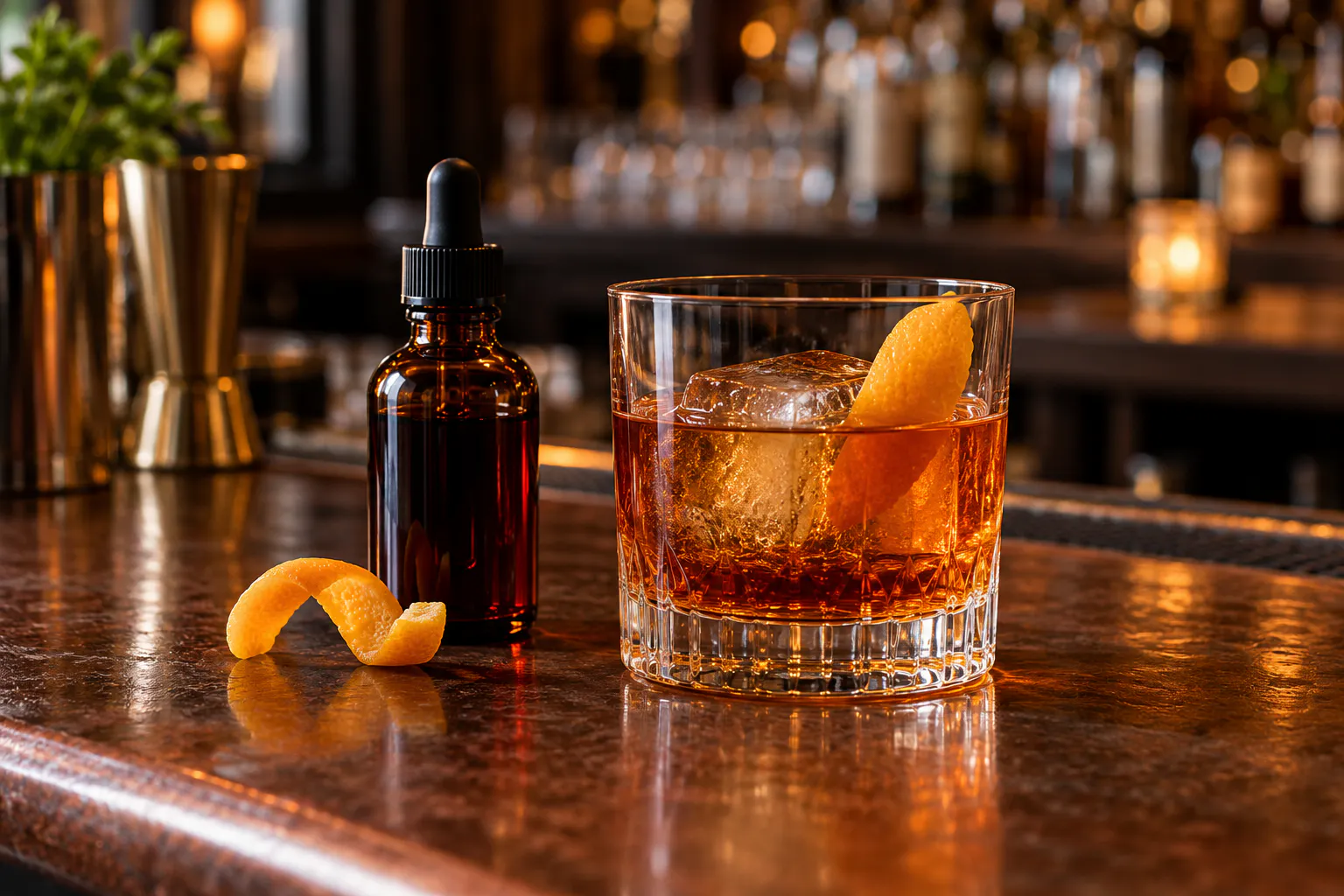
Finally, treat the images here as concepts only. A glass of pale syrup and almonds can illustrate orgeat, while a dropper and an amber drink can illustrate bitters. They do not show Starboard Tack’s bottles, recipe, or presentation. The named menu line and current bar team remain the sources for the actual order.
The short version
Food can make the ingredient question more concrete without turning it into a rigid pairing rule. If you are choosing a substantial plate from the entree menu, decide whether you want a drink with more citrus, spice, or nut-like richness beside it, then ask how the actual Original balances those notes. If you are only stopping for conversation, the same ingredient curiosity may lead to a different choice or no alcoholic drink at all. Reading the menu this way respects the finished cocktail and the guest's plans instead of treating one modifier as the whole experience.
Orgeat suggests a sweet, almond-like source of flavor and body; falernum suggests a spiced citrus liqueur in the named AVUÁ product; bitters name a family of concentrated accents with different profiles. The real drink is the combination, not the ingredient in isolation. Read the whole menu description, ask about the current balance and any restriction, and choose the beverage that fits your own taste and plans.