
Lumpia Three Ways: Pork, Vegan, and Filipino Dynamite at Starboard Tack

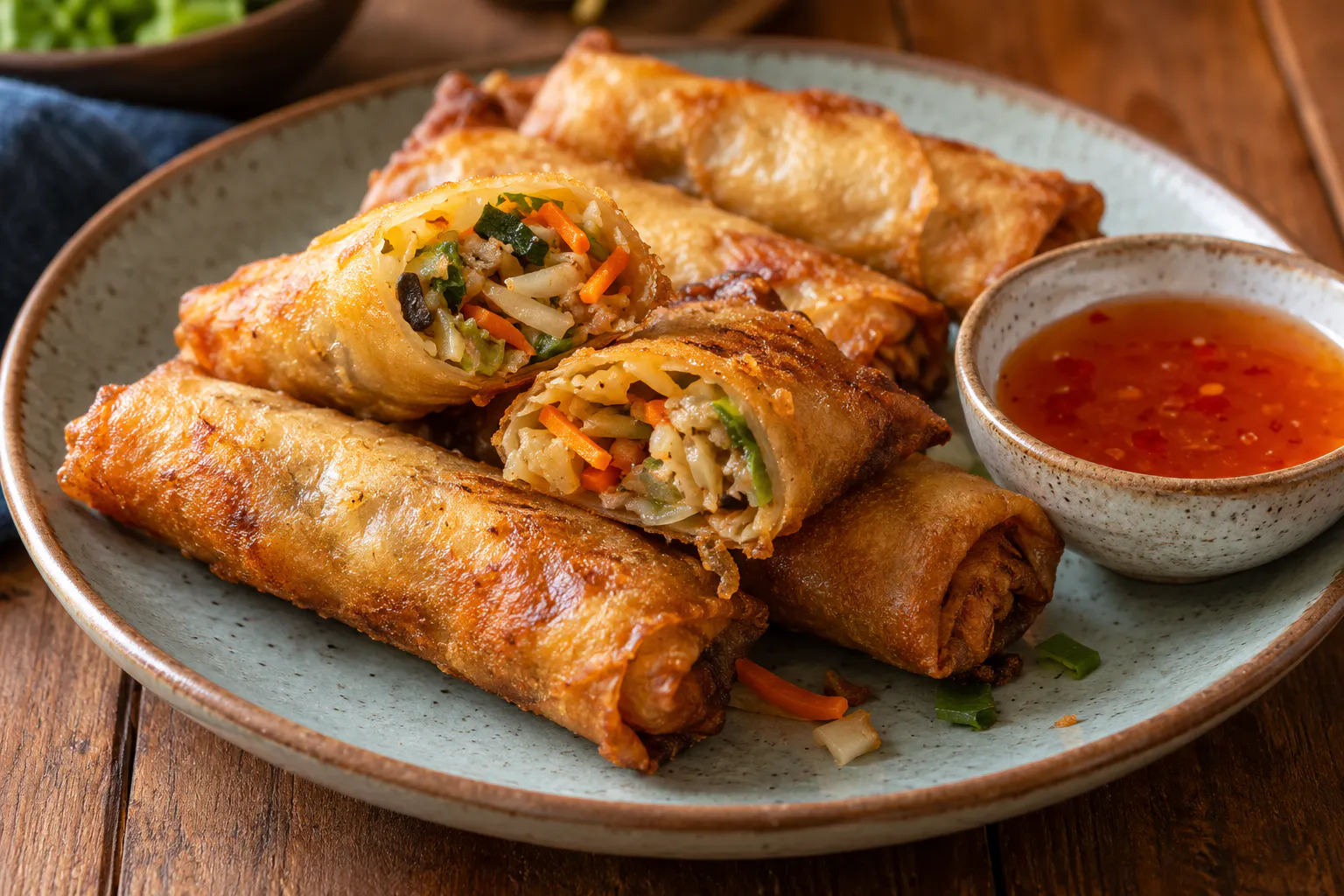
“Let’s get lumpia” sounds like a single decision until you open Starboard Tack’s pupus menu. The East Las Vegas bar lists pork lumpia, vegan lumpia, and Filipino Dynamite. The first two come with sweet chili sauce; the third is described as housemade longanisa and cream cheese stuffed into jalapeños and wrapped in lumpia. Those short menu descriptions suggest three different reasons to order: a familiar pork starter, a plant-based option, or a richer stuffed-pepper dish with a more pronounced heat question.
The current pupus menu is the source for these item names and listed components. It does not specify the fillings of the vegan or pork rolls, the size of each order, the exact spice level, or kitchen cross-contact practices. Treat those as questions for staff rather than assumptions from a photograph or a dish name.
What the menu actually distinguishes
Starboard Tack presents pork lumpia and vegan lumpia as separate entries, each with sweet chili sauce. That establishes a useful first divide: a guest choosing between them can begin with a dietary preference and still expect the same named sauce. It does not establish that the wrappers, fillings, cooking surfaces, or portion sizes are identical. If an ingredient matters, ask what is inside the current preparation.
Filipino Dynamite has a fuller menu description. Housemade longanisa and cream cheese are placed in jalapeños, then wrapped in lumpia. That is not simply a third filling for the same roll. It combines sausage, dairy, pepper, and wrapper in a more layered bite. A person who wants to explore an assertive, savory starter may be drawn to it; a person avoiding meat, dairy, or pepper heat should choose another path after confirming details with the kitchen.
The most helpful comparison is therefore not “which lumpia is authentic?” The public menu is describing three offerings at one restaurant, not giving a lesson in every Filipino regional tradition. Compare what the kitchen lists, ask about what it does not list, and select the plate that fits the evening.
Pork lumpia: the straightforward savory route
If your table wants a shareable savory start, pork lumpia is the most direct choice among the three names. The menu identifies pork and sweet chili sauce without building a larger ingredient story. That simplicity can be useful: it lets the roll act as a warm opening before people decide on their individual meals. A group can order it without making the entire dinner revolve around one dramatic flavor.
Because the menu is concise, resist describing a particular vegetable mix, seasoning, or dipping technique as though it were verified. Pork lumpia recipes vary, and the restaurant’s current filling should be confirmed if you need specifics. The sweet chili sauce is a named accompaniment, so you can reasonably plan for a sweet-and-spicy contrast, but the exact heat level is another day-of question.
Consider the rest of the table. If a guest wants a full meal after the starter, the entree menu offers rice-centered plates and other choices; a small shared opening need not replace dinner. If the group is only snacking, ask about the portion before deciding how many orders will suit everyone.
Vegan lumpia: check what vegan means for your needs
The vegan lumpia entry is valuable because it gives a guest a clearly named plant-based choice on the pupus list. It also comes with sweet chili sauce according to the live menu. That may be enough for someone choosing by general preference. It is not enough for someone with a strict restriction or allergy. The menu does not spell out the filling, wrapper ingredients, fryer arrangements, or cross-contact practices. Speak directly with the restaurant when those details determine whether the dish works for you.
For a mixed table, ordering the vegan version alongside another starter can prevent one person from being left to improvise from sides. It also avoids treating “vegan” as an afterthought. Ask whether separate utensils or plating are available if shared sauces or hands would defeat a guest’s restriction. The menu name indicates a recipe category; safe handling requires a conversation.
There are other plant-forward items on the full menu, but do not infer that every vegetable dish is vegan or that a named vegan dish is suitable for every allergy. Read current descriptions and ask about sauces. This is especially important in a kitchen where savory, dairy, nut, and seafood ingredients may appear across different dishes.
Filipino Dynamite: a different type of starter
Filipino Dynamite is the clearest departure from the two lumpia entries. The menu describes housemade longanisa and cream cheese stuffed jalapeños wrapped in lumpia. It is reasonable to expect a combination of pepper, rich filling, and fried wrapper, but no blog can set an exact heat rating for each pepper. Jalapeños vary, and preparation changes the final bite. If one person at the table is heat-sensitive, ask before ordering rather than assuming that cream cheese cancels the pepper.
This dish also changes the dietary conversation. Longanisa is a sausage, and cream cheese is dairy. Someone avoiding those ingredients should not be handed this plate merely because it has the word “lumpia” in the description. The vegan lumpia is a distinct listing for a reason. Conversely, someone who wants a fuller, more layered starter may find the named components of Dynamite more interesting than a simple roll-and-sauce opening.
Use this dish when the table wants a specific experience, not as a default order for everyone. A stuffed jalapeño can be the memorable first bite, while a milder second plate gives guests a choice. Check current availability and portion size before planning the whole order around it.
How to order for two or for a larger table
For two people, start by asking whether both want a starter or whether one would rather keep room for a full entree. One order of the preferred style may be enough as an opening, depending on the current portion and appetite. If the purpose of the visit is comparison, ask whether ordering two different plates will leave enough room for the rest of dinner. There is no value in turning a simple meal into an overfull tasting menu unless that is what both people want.
For a larger table, write down the restrictions before choosing plates. A pork order, a vegan order, and a Dynamite order are not interchangeable. Keep the names clear when food arrives, use separate serving utensils when needed, and ask staff any ingredient questions at the start. A shareable dish only works when the people sharing it can and want to eat it.
Staggering the food can help. A first round of lumpia can cover the time while everyone scans the sandwiches and other meal options. Later orders can answer actual hunger rather than guesses made before anyone sits down. Confirm timing with staff if a group is trying to coordinate a short visit.
Pair the starter with a contrasting main course
Lumpia is a crisp, compact start. A rice plate later can make the meal feel more complete without repeating the same format. Someone who chooses the pork rolls might prefer a vegetable-led or seafood main for contrast; someone who chooses the vegan rolls may look for another plant-based option after checking its preparation. Dynamite’s sausage, cream cheese, and pepper can be a rich beginning, so a guest might want a simpler main rather than another heavily layered dish.
These are ordering ideas, not fixed pairings. Starboard Tack’s menu has multiple categories, and availability can change. The useful habit is to make the second order with the first plate in mind. Ask whether the table wants more crunch, more freshness, or a substantial base. The current dessert menu can also be considered later if you prefer to leave room for a final shared course.
Drinks need not drive the starter choice. If someone chooses not to drink alcohol, they can still take part in the food comparison. If a guest does order a cocktail or beer, let the menu and personal preference guide that choice rather than assuming a spicy dish demands a particular beverage.
A quick decision at the table
Choose pork lumpia when a straightforward savory roll with the listed sweet chili sauce sounds right. Choose vegan lumpia when the plant-based listing fits your preference, while checking ingredients and handling if the restriction is strict. Choose Filipino Dynamite when the named longanisa, cream cheese, and jalapeño combination is what you want, and ask about heat if it matters. The three dishes share a family resemblance on the menu, but they serve different appetites.
Before ordering, check the live menu for availability and ask the kitchen about ingredients, spice, and portion size where those details affect your table. That small check is more useful than relying on an old menu photo or a generic description of lumpia. It lets the first plate do its job: start a meal that everyone can enjoy.