How to Read a Video Poker Pay Table Before You Play

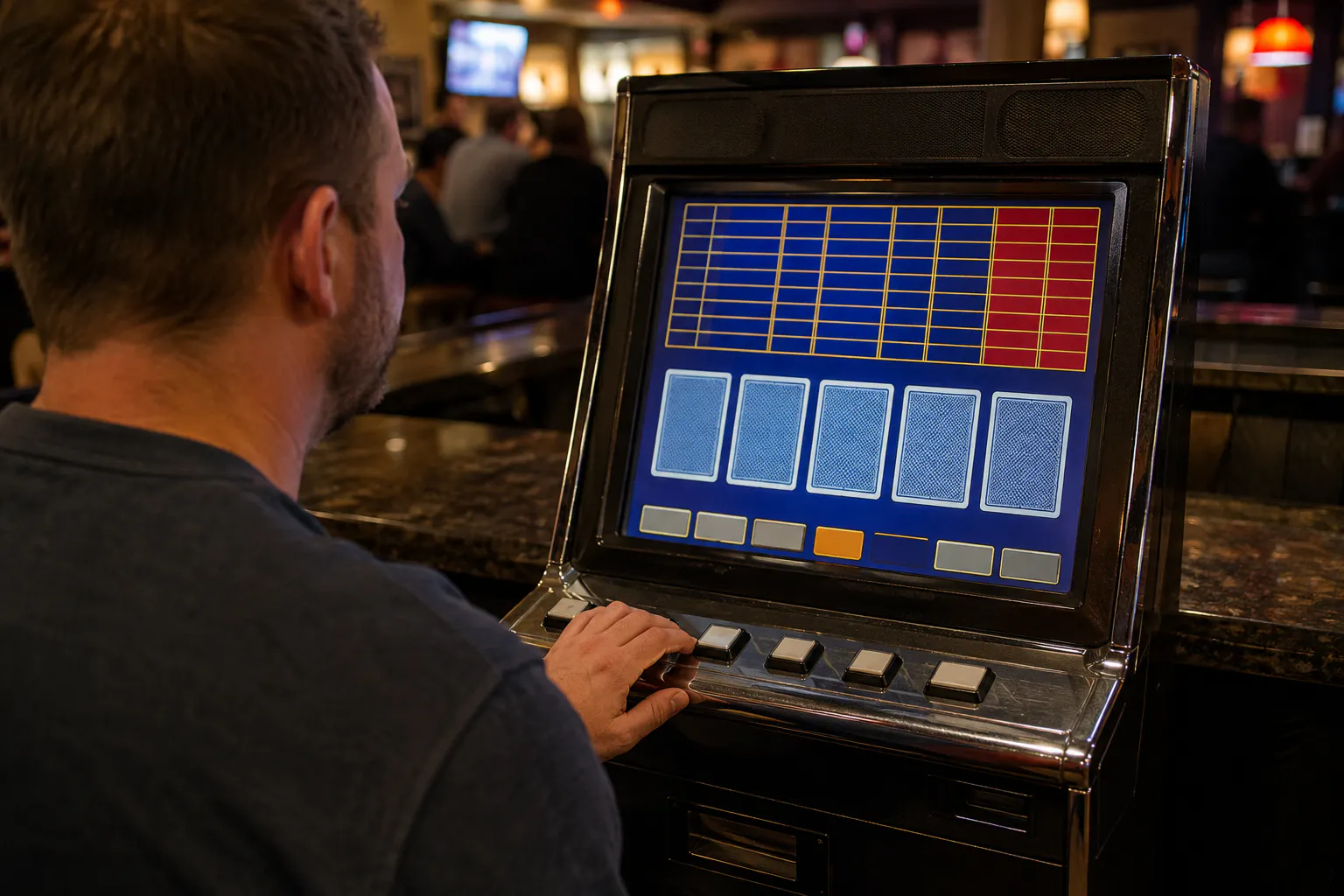
A video poker pay table is the rule sheet for the exact game displayed on a machine. It shows which finished hands receive credits and how those credits change with the number of coins wagered. Reading it before play helps an adult compare versions, understand volatility, and set expectations without assuming that every machine with a familiar name pays the same way.
For “How to Read a Video Poker Pay Table Before You Play,” the focus stays on practical decisions rather than rankings, guaranteed outcomes, or temporary promotions. Use the guidance with the venue's current information, and ask directly when a detail matters to your group.
Treat the pay table as the starting point
Game names can look familiar while the reward schedule differs, so the screen in front of you matters more than memory. The goal is to make a deliberate choice that is easy to explain to everyone involved and easy to revise when the circumstances change.
- Game variant: Confirm the exact version, including whether wild cards are part of the rules.
- Credit columns: Read across the row for the wager size you are considering.
- Winning rows: Notice the lowest listed hand and the order of stronger hands.
- No assumptions: Do not infer one machine's schedule from another machine or an old online example.
Taken together, these checks suggest a practical order for treat the pay table as the starting point: begin with game variant, use credit columns to narrow the choice, confirm winning rows against current conditions, and treat no assumptions as the final adjustment. That sequence keeps the decision grounded without letting any single detail overrule the rest when circumstances point another way.
For related venue context on treat the pay table as the starting point, review Starboard Tack's gaming and video poker guide. It provides a first-party reference to use alongside the general guidance above.
Read rows and columns together
The left side describes the finished hand, while the columns show the credits returned at different wager levels. The goal is to make a deliberate choice that is easy to explain to everyone involved and easy to revise when the circumstances change.
- One row: Follow a single hand across the screen to see how its return changes.
- One column: Scan vertically to understand the full schedule for one wager size.
- Units: Credits are not always the same as dollars, so confirm the denomination separately.
- Total stake: Multiply denomination by credits wagered before deciding what one hand costs.
Taken together, these checks suggest a practical order for read rows and columns together: begin with one row, use one column to narrow the choice, confirm units against current conditions, and treat total stake as the final adjustment. That sequence keeps the decision grounded without letting any single detail overrule the rest when circumstances point another way.
For related venue context on read rows and columns together, review Starboard Tack's Jacks or Better guide. It provides a first-party reference to use alongside the general guidance above.
Look closely at the full-house and flush rows
In many non-wild variants, these middle rows are useful comparison points because changes there affect hands that appear more often than the rare top award. The goal is to make a deliberate choice that is easy to explain to everyone involved and easy to revise when the circumstances change.
- Full house: Write down the displayed value instead of relying on a nickname for the schedule.
- Flush: Compare the adjacent row at the same wager size.
- Tradeoff: A higher top award does not automatically offset weaker common-hand returns.
- Whole table: Judge the schedule as a connected set rather than chasing one number.
Taken together, these checks suggest a practical order for look closely at the full-house and flush rows: begin with full house, use flush to narrow the choice, confirm tradeoff against current conditions, and treat whole table as the final adjustment. That sequence keeps the decision grounded without letting any single detail overrule the rest when circumstances point another way.
For related venue context on look closely at the full-house and flush rows, review Starboard Tack's Deuces Wild guide. It provides a first-party reference to use alongside the general guidance above.
Understand maximum-coin jumps
Some tables change proportionally across columns, while others give a larger step for a specific hand in the last column. The goal is to make a deliberate choice that is easy to explain to everyone involved and easy to revise when the circumstances change.
- Compare increments: Check whether every column rises evenly or one cell changes more sharply.
- Budget first: A larger displayed award is not a reason to exceed a preset spending limit.
- Denomination: Lowering denomination may change total cost, but the exact screen still needs review.
- Decision: Choose the wager only after understanding both the cost and schedule.
Taken together, these checks suggest a practical order for understand maximum-coin jumps: begin with compare increments, use budget first to narrow the choice, confirm denomination against current conditions, and treat decision as the final adjustment. That sequence keeps the decision grounded without letting any single detail overrule the rest when circumstances point another way.
For related venue context on understand maximum-coin jumps, review Starboard Tack's beginner video poker guide. It provides a first-party reference to use alongside the general guidance above.
Recognize how wild cards change the table
A wild-card game uses different hand categories and frequencies, so its rows cannot be compared directly with a non-wild game. The goal is to make a deliberate choice that is easy to explain to everyone involved and easy to revise when the circumstances change.
- New categories: Look for named hands created by the wild-card rule.
- Five of a kind: This category may appear only when wild cards make it possible.
- Natural hands: Some schedules distinguish hands made without a substitute card.
- Fresh strategy: Do not carry hold decisions from one family of games into another automatically.
Taken together, these checks suggest a practical order for recognize how wild cards change the table: begin with new categories, use five of a kind to narrow the choice, confirm natural hands against current conditions, and treat fresh strategy as the final adjustment. That sequence keeps the decision grounded without letting any single detail overrule the rest when circumstances point another way.
For related venue context on recognize how wild cards change the table, review Starboard Tack's responsible gambling guide. It provides a first-party reference to use alongside the general guidance above.
Connect the table to playing strategy
The value of a hold depends on the possible draws and the schedule attached to them; strategy and pay table are therefore linked. The goal is to make a deliberate choice that is easy to explain to everyone involved and easy to revise when the circumstances change.
- Close choices: Two plausible holds can change order when the reward schedule changes.
- Reference: Use a strategy resource built for the same game and pay table.
- Pace: Slow down while learning instead of guessing under time pressure.
- Limits: No strategy removes chance or guarantees a profitable session.
Taken together, these checks suggest a practical order for connect the table to playing strategy: begin with close choices, use reference to narrow the choice, confirm pace against current conditions, and treat limits as the final adjustment. That sequence keeps the decision grounded without letting any single detail overrule the rest when circumstances point another way.
Use a responsible pre-play checklist
A clear limit and a quick screen review are more useful than trying to predict a short session. The goal is to make a deliberate choice that is easy to explain to everyone involved and easy to revise when the circumstances change.
- Time: Choose an end time before play and take breaks.
- Money: Use entertainment funds and never chase previous losses.
- Understanding: Ask venue staff about machine operation, not for a promise about outcomes.
- Stop point: Leave when the planned limit is reached, regardless of the last hand.
Taken together, these checks suggest a practical order for use a responsible pre-play checklist: begin with time, use money to narrow the choice, confirm understanding against current conditions, and treat stop point as the final adjustment. That sequence keeps the decision grounded without letting any single detail overrule the rest when circumstances point another way.
Putting the plan into practice at Starboard Tack
For the subject covered in “How to Read a Video Poker Pay Table Before You Play,” Starboard Tack's verified location at 2601 Atlantic St. in East Las Vegas provides the local context. Its official site presents an off-Strip neighborhood bar and restaurant with food, cocktails and rum, video poker, shuffleboard, and events. Adults can shape different kinds of visits there, but current menu, event, machine, and seating details should always be checked when planning.
Choose the part of “How to Read a Video Poker Pay Table Before You Play” that matters most, share the relevant link with the group, and leave enough flexibility for real conditions. A useful plan should prevent confusion without becoming fragile when an arrival, appetite, or energy level changes. If access, timing, or a group need will determine the decision, use Starboard Tack's published contact information before heading out.
The responsible close for how to read a video poker pay table before you play is straightforward: adults who choose to drink or play video poker should set limits in advance, include food and water in the evening, and arrange safe transportation. Games of chance are entertainment, never a method for recovering losses or guaranteeing income.