
Game Day at a Neighborhood Bar: What to Look For Beyond the TV Count

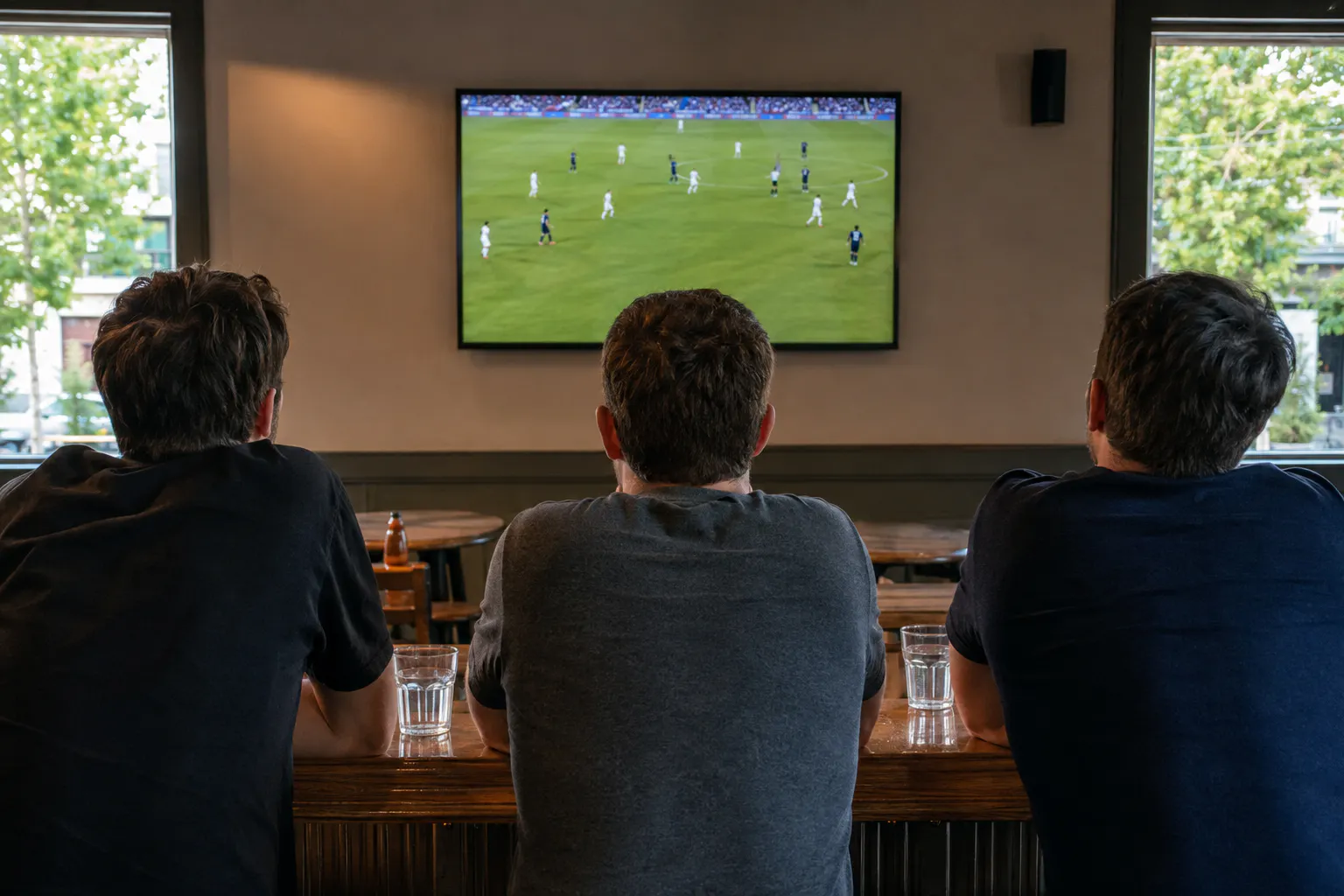
A wall of televisions does not guarantee a comfortable game day. The better question is whether a neighborhood bar lets the group see the action, hear what matters, order without losing the flow, and stay engaged before, during, and after the game. Those practical details shape the experience more than a headline screen count.
For “Game Day at a Neighborhood Bar: What to Look For Beyond the TV Count,” the focus stays on practical decisions rather than rankings, guaranteed outcomes, or temporary promotions. Use the guidance with the venue's current information, and ask directly when a detail matters to your group.
Start with sightlines, not screen totals
A smaller number of well-placed screens can work better than many displays hidden behind heads or fixtures. The goal is to make a deliberate choice that is easy to explain to everyone involved and easy to revise when the circumstances change.
- Seat angle: Check whether everyone can watch without twisting for several hours.
- Screen assignment: Ask whether the desired game can be shown before the group settles in.
- Obstructions: Consider columns, lighting, and standing traffic around high-interest moments.
- Group view: Choose a table where conversation and watching can happen together.
Taken together, these checks suggest a practical order for start with sightlines, not screen totals: begin with seat angle, use screen assignment to narrow the choice, confirm obstructions against current conditions, and treat group view as the final adjustment. That sequence keeps the decision grounded without letting any single detail overrule the rest when circumstances point another way.
For related venue context on start with sightlines, not screen totals, review Starboard Tack's off-Strip sports-bar guide. It provides a first-party reference to use alongside the general guidance above.
Decide how much sound matters
Some groups need play-by-play audio, while others mainly want visual access and room to talk. The goal is to make a deliberate choice that is easy to explain to everyone involved and easy to revise when the circumstances change.
- Priority game: Ask how audio is selected when several events overlap.
- Conversation: Avoid seating that makes every comment a shout.
- Big moments: A lively room can supply atmosphere even when every broadcast is not audible.
- Expectations: Agree on sound needs before inviting a large group.
Taken together, these checks suggest a practical order for decide how much sound matters: begin with priority game, use conversation to narrow the choice, confirm big moments against current conditions, and treat expectations as the final adjustment. That sequence keeps the decision grounded without letting any single detail overrule the rest when circumstances point another way.
For related venue context on decide how much sound matters, review Starboard Tack's current events page. It provides a first-party reference to use alongside the general guidance above.
Look for seating that fits the full game
Comfort, table space, and a clear aisle become more important as the visit gets longer. The goal is to make a deliberate choice that is easy to explain to everyone involved and easy to revise when the circumstances change.
- Duration: Choose seats appropriate for pregame, the event itself, and possible overtime.
- Table space: Leave room for shared food and drinks without blocking the view.
- Late arrivals: Pick a meetup point that does not require the whole party to move.
- Courtesy: Do not hold unused seats indefinitely during a busy game.
Taken together, these checks suggest a practical order for look for seating that fits the full game: begin with duration, use table space to narrow the choice, confirm late arrivals against current conditions, and treat courtesy as the final adjustment. That sequence keeps the decision grounded without letting any single detail overrule the rest when circumstances point another way.
For related venue context on look for seating that fits the full game, review Starboard Tack's current food and drink menus. It provides a first-party reference to use alongside the general guidance above.
Check food timing and flexibility
Game-day food should be easy to share, order in stages, and enjoy without pulling attention away from the action. The goal is to make a deliberate choice that is easy to explain to everyone involved and easy to revise when the circumstances change.
- First order: Begin before the opening rush when possible.
- Shared plates: Use common dishes to cover staggered arrivals and different appetites.
- Second round: Plan a later order rather than putting everything on the table at once.
- Current menu: Review the venue's menu before making promises to the group.
Taken together, these checks suggest a practical order for check food timing and flexibility: begin with first order, use shared plates to narrow the choice, confirm second round against current conditions, and treat current menu as the final adjustment. That sequence keeps the decision grounded without letting any single detail overrule the rest when circumstances point another way.
For related venue context on check food timing and flexibility, review Starboard Tack's shuffleboard information. It provides a first-party reference to use alongside the general guidance above.
Choose drinks for pace, not pressure
A long game rewards steady pacing and options that work across several hours. The goal is to make a deliberate choice that is easy to explain to everyone involved and easy to revise when the circumstances change.
- Start slowly: Order for the first quarter or period rather than the entire event.
- Hydration: Keep water in the rotation from the beginning.
- Different tastes: Make room for cocktails, beer, simple pours, and nonalcoholic choices.
- Safe trip: Decide on a driver or rideshare plan before kickoff.
Taken together, these checks suggest a practical order for choose drinks for pace, not pressure: begin with start slowly, use hydration to narrow the choice, confirm different tastes against current conditions, and treat safe trip as the final adjustment. That sequence keeps the decision grounded without letting any single detail overrule the rest when circumstances point another way.
For related venue context on choose drinks for pace, not pressure, review Starboard Tack's contact and location details. It provides a first-party reference to use alongside the general guidance above.
Use downtime well
Commercial breaks, halftime, and delays feel shorter when the venue offers a natural change of activity. The goal is to make a deliberate choice that is easy to explain to everyone involved and easy to revise when the circumstances change.
- Quick game: A short shuffleboard frame can give friends something shared to do.
- Conversation: A neighborhood room can keep the group connected between big plays.
- Rotation: Let interested guests play without forcing everyone away from the broadcast.
- Return: Keep track of game timing so activities do not become a distraction.
Taken together, these checks suggest a practical order for use downtime well: begin with quick game, use conversation to narrow the choice, confirm rotation against current conditions, and treat return as the final adjustment. That sequence keeps the decision grounded without letting any single detail overrule the rest when circumstances point another way.
Respect the shared room
Sports bring different loyalties into one space, and considerate behavior keeps the energy fun. The goal is to make a deliberate choice that is easy to explain to everyone involved and easy to revise when the circumstances change.
- Cheer without targeting: Celebrate the play without confronting another table.
- Aisles: Avoid standing where staff or other guests need to pass.
- Screens: Ask staff about changes rather than handling equipment.
- Finish well: Settle the tab and transportation plan before the final rush.
Taken together, these checks suggest a practical order for respect the shared room: begin with cheer without targeting, use aisles to narrow the choice, confirm screens against current conditions, and treat finish well as the final adjustment. That sequence keeps the decision grounded without letting any single detail overrule the rest when circumstances point another way.
Putting the plan into practice at Starboard Tack
For the subject covered in “Game Day at a Neighborhood Bar: What to Look For Beyond the TV Count,” Starboard Tack's verified location at 2601 Atlantic St. in East Las Vegas provides the local context. Its official site presents an off-Strip neighborhood bar and restaurant with food, cocktails and rum, video poker, shuffleboard, and events. Adults can shape different kinds of visits there, but current menu, event, machine, and seating details should always be checked when planning.
Choose the part of “Game Day at a Neighborhood Bar: What to Look For Beyond the TV Count” that matters most, share the relevant link with the group, and leave enough flexibility for real conditions. A useful plan should prevent confusion without becoming fragile when an arrival, appetite, or energy level changes. If access, timing, or a group need will determine the decision, use Starboard Tack's published contact information before heading out.
The responsible close for game day at a neighborhood bar: what to look for beyond the tv count is straightforward: adults who choose to drink or play video poker should set limits in advance, include food and water in the evening, and arrange safe transportation. Games of chance are entertainment, never a method for recovering losses or guaranteeing income.