
Buffalo, Grilled Jerked, or Lemon Pepper Wings: Choosing a Flavor Direction

Wings are a familiar bar order, but Starboard Tack’s menu gives them three distinct directions: Buffalo, Grilled Jerked, and Lemon Pepper. The names are enough to start a useful conversation about flavor, yet not enough to declare an exact heat level, coating, sauce recipe, or cooking method for every version. If you are choosing for yourself, ask which profile sounds good. If you are choosing for a table, begin with the people who will actually eat the plate.
The current pupus menu lists the three styles, two count options, and an option to add fries. Those are the verified menu facts used here. The descriptions below are decision cues, not a claim to know a proprietary recipe. Check the live listing and ask staff when heat, ingredients, or preparation affect your choice.
Start with the role of the wings
Are the wings the main food for a short visit, an opening plate before dinner, or something several friends will share? That question is more useful than picking a sauce from habit. A wing order that satisfies one guest as a snack may be too little for a hungry pair, while adding fries and several other starters can make a casual bite feel like an oversized meal. The menu’s count choices help, but the right amount depends on appetite and what else is coming.
If the wings are the only savory order, think about whether the table wants a side. The menu explicitly offers fries as an add-on. If dinner will follow, you may prefer to leave room and use the wings as a flavor-focused start. For a group, ask whether everyone wants the same style before ordering. A single plate can be easy to share only when its seasoning works for the people sharing it.
Starboard Tack has other pupus, sandwiches, and entrees. Wings do not have to carry every part of the meal. Use the full menu to decide whether this is the main event or one course among several.
Buffalo: choose it for a familiar sauce direction
Buffalo is a useful reference point for guests who want a classic wing flavor rather than a new seasoning puzzle. It usually suggests a tangy pepper-sauce direction, but the Starboard Tack listing does not state an exact sauce, heat rating, or accompaniment. Do not promise “mild,” “hot,” or any particular color or finish. If heat matters, ask how the current preparation compares with the other styles.
Buffalo can be the easiest consensus order when everyone already knows they like that style. It can also be the wrong default for a person who avoids pepper heat or sauce-coated wings. A table should not use familiarity as a substitute for checking preferences. Ask whether guests want Buffalo specifically, not just “wings.” That small question prevents the shared order from becoming a compromise nobody enjoys.
Consider what comes next. If you are planning a heavily sauced sandwich, Buffalo wings may repeat a tangy, assertive note. A simpler main may leave more room for them. This is a taste judgment rather than a required pairing. Choose the plate because you want that flavor now, not because a rule says it belongs with a particular entree or drink.
Grilled Jerked: pay attention to both words
“Grilled Jerked” is the most specific preparation phrase of the three menu labels. It points toward a grilled style and a jerk-inspired seasoning direction. Jerk traditions can involve warm spices, aromatics, and pepper, but the restaurant’s recipe is not listed. It would be inaccurate to claim a fixed spice blend, marinade, or heat level from the name alone. Ask if the current balance matters to you.
This may appeal to someone who wants a different texture and aroma from a familiar sauced wing. Grilling can shape the eating experience, while the seasoning gives the plate its own character. A guest who likes bolder savory flavors may find it the most interesting of the three. A guest who is cautious about heat should ask before assuming “grilled” means mild or “jerked” means extremely hot.
If this is your first visit and the style is unfamiliar, ask a straightforward question: “How would you describe the Grilled Jerked wings compared with Buffalo and Lemon Pepper today?” A staff answer about the current preparation is more useful than a generic internet definition. It can also help a group decide whether to share one order or choose different dishes.
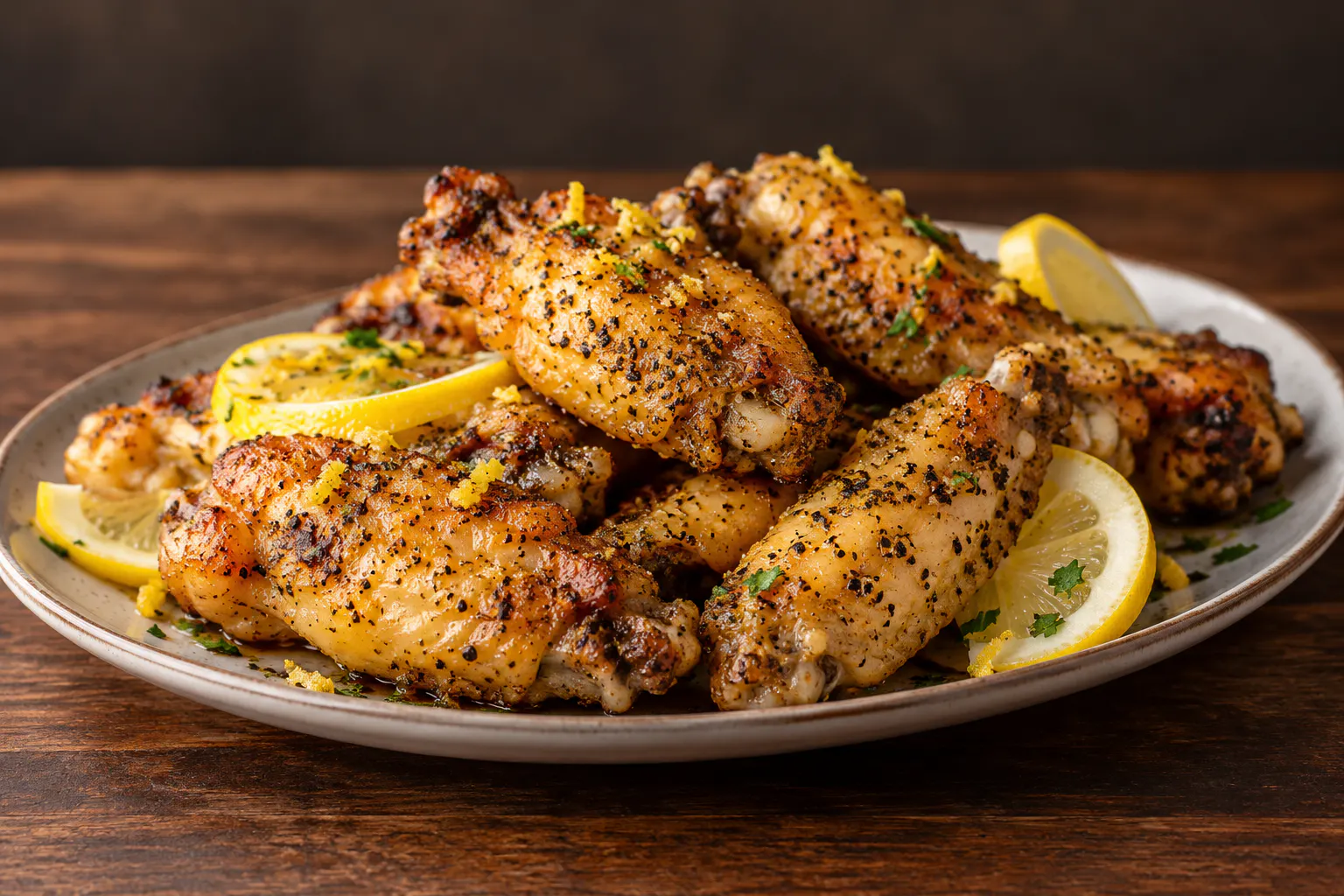
Lemon Pepper: look for a bright seasoning route
Lemon Pepper signals a brighter, pepper-seasoned direction than the other two names. The public menu does not say whether it is a dry seasoning, a sauce, or a particular lemon preparation, so those details should stay open. What you can reasonably use the name for is a first-pass preference: choose this style if citrus and pepper sound more appealing than Buffalo’s familiar sauce direction or the Grilled Jerked description.
For a table with mixed tastes, Lemon Pepper may sound like a lower-heat choice, but that is not a verified promise. Pepper still matters, and the kitchen determines the balance. Ask if a heat-sensitive guest needs certainty. Likewise, do not call it “light” or “healthier” because it sounds less sauce-driven. The menu provides no nutrition comparison and does not explain every preparation step.
Think about texture as well as flavor. If a guest wants wings that feel less coated, ask whether the current Lemon Pepper service matches that preference. The answer could make the decision easier, and it avoids writing a recipe into the restaurant’s menu that the restaurant did not provide.
Order for a mixed table without guessing
Shared wings can make an evening easy when everyone is aligned. They become awkward when one person cannot eat an ingredient, another wants no heat, and a third expected a full meal. Ask three questions before ordering: Which style does each guest actually want? Are there ingredient or cross-contact concerns? Is this a snack or dinner? The answers determine the count and whether fries or another plate belong in the order.
If dietary safety matters, speak with staff. A style name does not establish allergens, oil use, shared cooking surfaces, or sauce components. That is especially important when people are sharing with hands and perhaps dipping into common sauces. Separate plates or utensils may be useful when a restriction is involved, but availability must be confirmed with the venue.
The sandwich list and entree list give other guests a path to a complete meal. You do not need to solve everyone’s dinner with one wing flavor. Let the wing fans choose wings and the other diners choose their own food.
How fries and other plates affect the choice
Adding fries can make a wing order more filling, but it also changes the table’s space and appetite for later dishes. Decide after you know whether anyone is ordering a sandwich, since the sandwich section says those items already come with fries. Doubling fries might be exactly what the table wants; it should at least be deliberate. If you are ordering wings as a start before a rice plate or fish entree, the add-on may be unnecessary.
A contrasting starter can be more interesting than a second wing order when the table wants variety. The pupus section includes cold seafood, lumpia, vegetable preparations, and other textures. Choose based on the group’s preferences and current availability, not on a formula. If there are strict dietary needs, ask the restaurant about every shared plate rather than assuming one menu category is safe.
Drinks can remain a separate decision. No particular beer or cocktail is necessary to “complete” wings, and guests who do not drink alcohol should be just as comfortable at the table. If a guest wants a beverage, the beer list and other menu sections can be read on their own terms.
A quick decision before ordering
If two people want different styles, ask whether the kitchen can split an order or whether separate orders are needed. The public menu does not state that policy. A clear answer may save a table from choosing one flavor neither person really wants. Also ask whether the current styles have sauces or seasonings served on the wings or on the side if that affects the choice. It is easier to make a good shared order with those practical details than with a guessed heat scale. The menu gives you three names; the staff can explain how they are served today.
Choose Buffalo when the familiar sauce direction is what you want. Choose Grilled Jerked when the menu’s grilled, jerk-inspired route sounds interesting and you are willing to confirm the current spice profile. Choose Lemon Pepper when a citrus-and-pepper direction appeals more than the other two. The names help narrow the choice, but staff can answer the details the public page leaves open.
Then choose the order size for the actual table, decide whether fries fit, and check any ingredient or safety question directly. That approach makes wings a relaxed part of a Starboard Tack visit instead of a guess made for everyone at once.