
A Low-Key Halloween Night in Las Vegas: Food, Games, and a Safe Ride Home

Halloween in Las Vegas does not have to mean a packed club, a costume contest, or a venue-specific promotion. A low-key plan can center on food, conversation, a friendly game, and an agreed ride home. Publishing this guide eight days before Halloween gives readers time to coordinate while avoiding any claim that Starboard Tack is hosting a particular Halloween event.
For article 13 in this campaign, the reader’s job is to make a practical choice for an adult visit in or near East Las Vegas. This article does not promise a game result, advertise a temporary promotion, or guarantee a particular item, machine, broadcast, or event. Use the linked first-party pages when a current detail will determine the plan.
Define low-key for the group
One person may mean no costume while another means a shorter night and easy parking. The point is not to make the evening complicated; it is to decide the few details that prevent confusion later.
- Crowd level: Decide whether the group wants energy or room to talk.
- Costume choice: Make dress optional unless an official event says otherwise.
- Budget: Set a comfortable amount for food, drinks, games, and transportation.
- End time: Choose it before the night becomes busy.
The order matters: start with crowd level, use costume choice to narrow the choice, verify budget in the real setting, and keep end time as the final guardrail. That sequence turns define low-key for the group into a decision the whole group can understand.
While working through “Define low-key for the group,” use Starboard Tack’s after-hours Las Vegas guide as the first-party checkpoint. That page helps verify the part of this specific decision that can change instead of leaving the group dependent on an old search result.
Use food as the anchor
A meal gives the group a meeting window and reduces the pressure to chase several venues. The point is not to make the evening complicated; it is to decide the few details that prevent confusion later.
- Shareable start: Order something simple while everyone arrives.
- Full plate: Give hungry guests a path to a real dinner.
- Current menu: Check first-party information on October 31.
- Dietary needs: Call ahead when an allergy or restriction determines the venue.
These four checks work together rather than as separate rules. Shareable start establishes the baseline, Full plate adds context, Current menu prevents an avoidable assumption, and Dietary needs keeps the plan practical. If one check fails, revise the plan before moving on.
While working through “Use food as the anchor,” use Starboard Tack’s current food and drink menus as the first-party checkpoint. That page helps verify the part of this specific decision that can change instead of leaving the group dependent on an old search result.
Add one activity, not a rigid itinerary
A friendly option can create momentum without turning the evening into a schedule. The point is not to make the evening complicated; it is to decide the few details that prevent confusion later.
- Deck shuffleboard: Set short teams and review safe cue use.
- Conversation: Let nonplayers keep their seats and join later.
- Video poker: Adults who play should use preset time and money limits.
- Event page: Verify actual programming rather than inferring a Halloween theme.
A useful way to remember add one activity, not a rigid itinerary is to ask four short questions: What does deck shuffleboard tell us? How does conversation change the choice? Has video poker been confirmed? Does event page still fit the evening? Clear answers are more valuable than a rushed decision.
While working through “Add one activity, not a rigid itinerary,” use Starboard Tack’s deck shuffleboard page as the first-party checkpoint. That page helps verify the part of this specific decision that can change instead of leaving the group dependent on an old search result.
Keep costumes compatible with the setting
A creative outfit still needs to work around food, walkways, games, and transportation. The point is not to make the evening complicated; it is to decide the few details that prevent confusion later.
- Vision: Avoid masks or props that block sight while moving through the room.
- Floor safety: Secure capes, cords, and footwear near the shuffleboard court.
- Props: Leave realistic weapons and bulky items at home.
- Respect: Do not use costumes that target another culture, identity, or person.
The order matters: start with vision, use floor safety to narrow the choice, verify props in the real setting, and keep respect as the final guardrail. That sequence turns keep costumes compatible with the setting into a decision the whole group can understand.
While working through “Keep costumes compatible with the setting,” use Starboard Tack’s current events page as the first-party checkpoint. That page helps verify the part of this specific decision that can change instead of leaving the group dependent on an old search result.
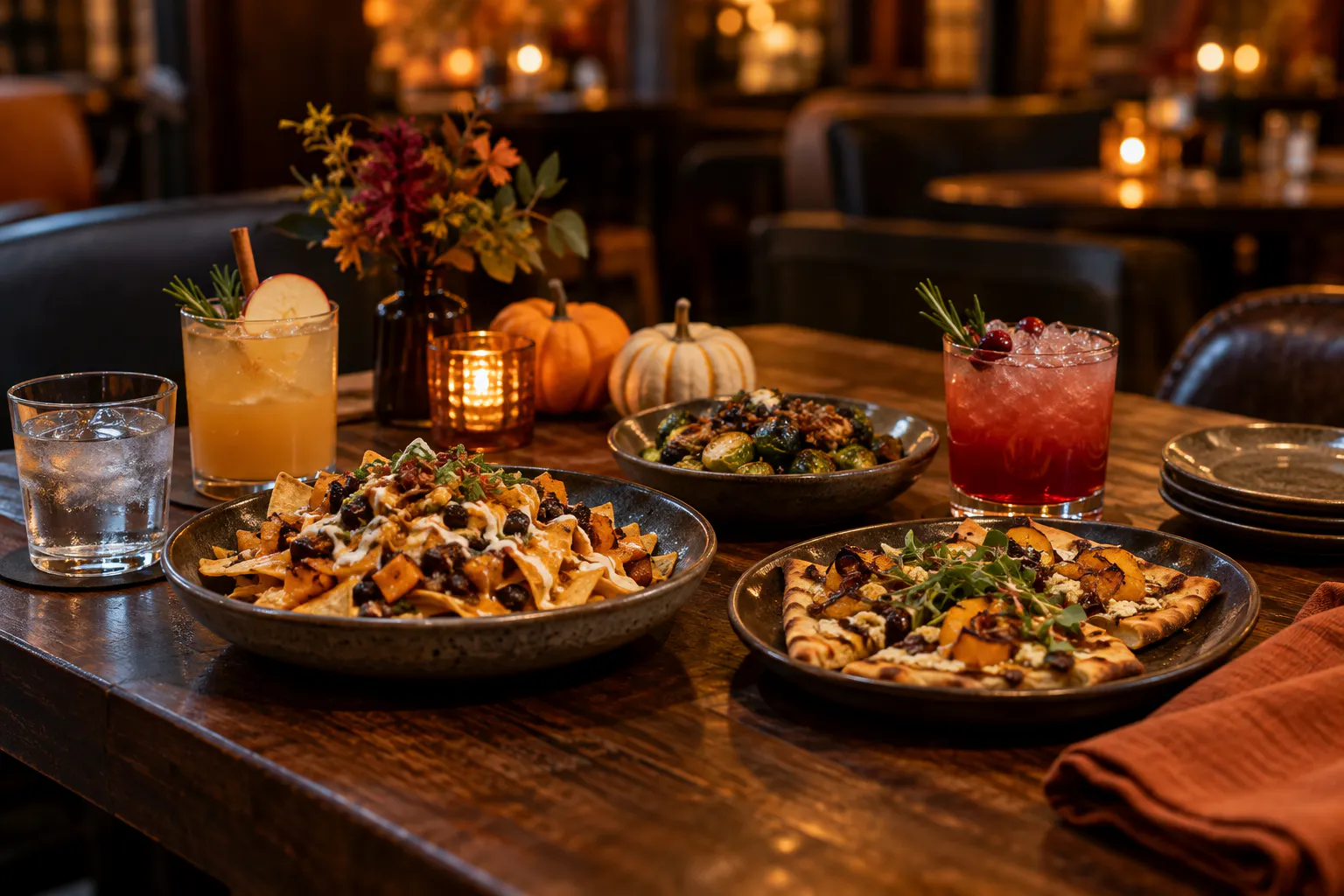
Build the alcohol-free path into the plan
A designated driver or nondrinking guest should have a complete night, not only water while others order. The point is not to make the evening complicated; it is to decide the few details that prevent confusion later.
- Flavor: Ask about current non-alcoholic choices using sweet, tart, herbal, or dry preferences.
- Food pairing: Let the drink complement the meal.
- Social inclusion: Do not pressure anyone to explain the decision.
- Driver role: Keep it zero-alcohol and switch to rideshare if fatigue becomes a concern.
These four checks work together rather than as separate rules. Flavor establishes the baseline, Food pairing adds context, Social inclusion prevents an avoidable assumption, and Driver role keeps the plan practical. If one check fails, revise the plan before moving on.
While working through “Build the alcohol-free path into the plan,” use Starboard Tack’s contact and location details as the first-party checkpoint. That page helps verify the part of this specific decision that can change instead of leaving the group dependent on an old search result.
Expect Halloween transportation friction
Demand, road closures, and pickup rules can change, especially near large attractions. The point is not to make the evening complicated; it is to decide the few details that prevent confusion later.
- Address: Share the full Atlantic Street destination before leaving.
- Rideshare zone: Use legal, well-lit pickup points.
- Buddy plan: Keep guests traveling in the same direction together.
- No impaired driving: Do not use coffee, food, or a waiting period as proof that someone is safe to drive.
A useful way to remember expect halloween transportation friction is to ask four short questions: What does address tell us? How does rideshare zone change the choice? Has buddy plan been confirmed? Does no impaired driving still fit the evening? Clear answers are more valuable than a rushed decision.
Verify the night on October 31
Hours, menu choices, and events can change after an article is written. The point is not to make the evening complicated; it is to decide the few details that prevent confusion later.
- Official pages: Review the current menu and events listing.
- Direct contact: Call when a specific activity or accommodation is essential.
- No assumption: A seasonal guide does not guarantee décor, specials, or admission policies.
- Flexible finish: Keep one simple backup: shorten the night and head home safely.
The order matters: start with official pages, use direct contact to narrow the choice, verify no assumption in the real setting, and keep flexible finish as the final guardrail. That sequence turns verify the night on october 31 into a decision the whole group can understand.
Putting the plan into practice at Starboard Tack
For “a low key halloween night in las vegas food games and a safe ride home,” the local reference point is Starboard Tack at 2601 Atlantic St. in East Las Vegas. The official site describes food, rum and cocktails, bar-top video poker, deck shuffleboard, and events. Use only the parts relevant to this article, then match them to the current menu, hours, activity details, and the needs of the actual group.
Before using this local nightlife plan, share the destination and identify the one fact that still needs confirmation for seasonal commercial investigation. Leave room for a late arrival, changed appetite, occupied activity area, or quieter pace. That flexibility is what makes the advice in “A Low-Key Halloween Night in Las Vegas: Food, Games, and a Safe Ride Home” usable outside a spreadsheet.
As a final check, explain the plan in one sentence without relying on the phrase “low-key Halloween night Las Vegas.” If the sentence still tells the group what to expect, when to arrive, and what must be verified, the plan is probably specific enough to use. If it turns into a claim about being the best, winning, guaranteed availability, or a temporary special, return to the official pages and revise it.
The responsible close for local nightlife is simple: adults who drink or play video poker should set limits first, include food and water, and arrange safe transportation. Gambling remains entertainment rather than a way to guarantee income or recover losses. When the preset money, time, attention, or transportation limit for “A Low-Key Halloween Night in Las Vegas: Food, Games, and a Safe Ride Home” is reached, stop.